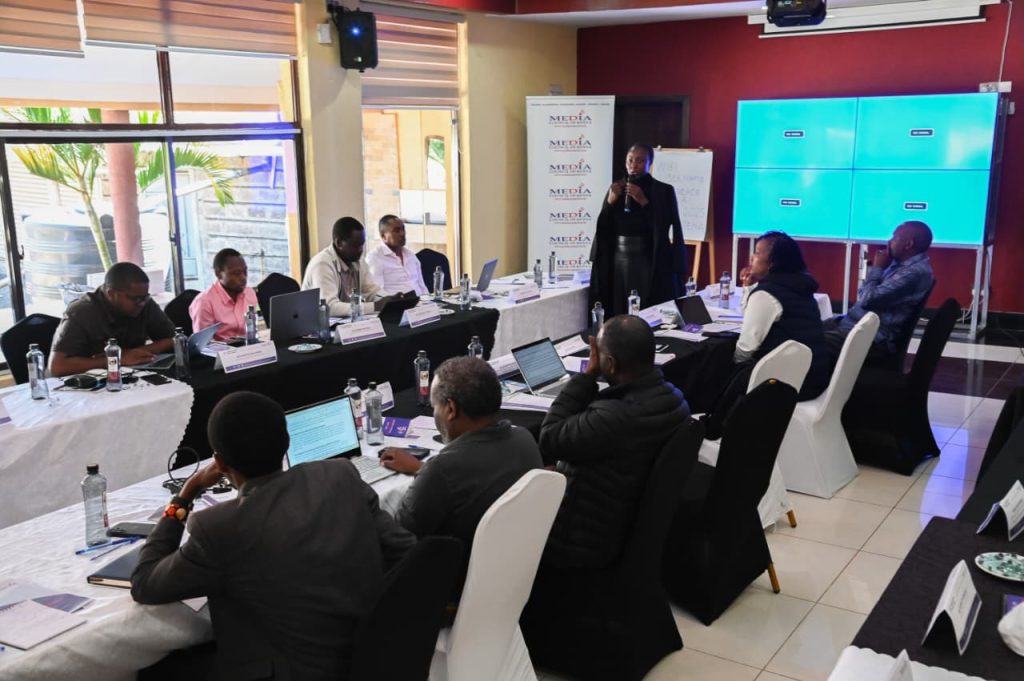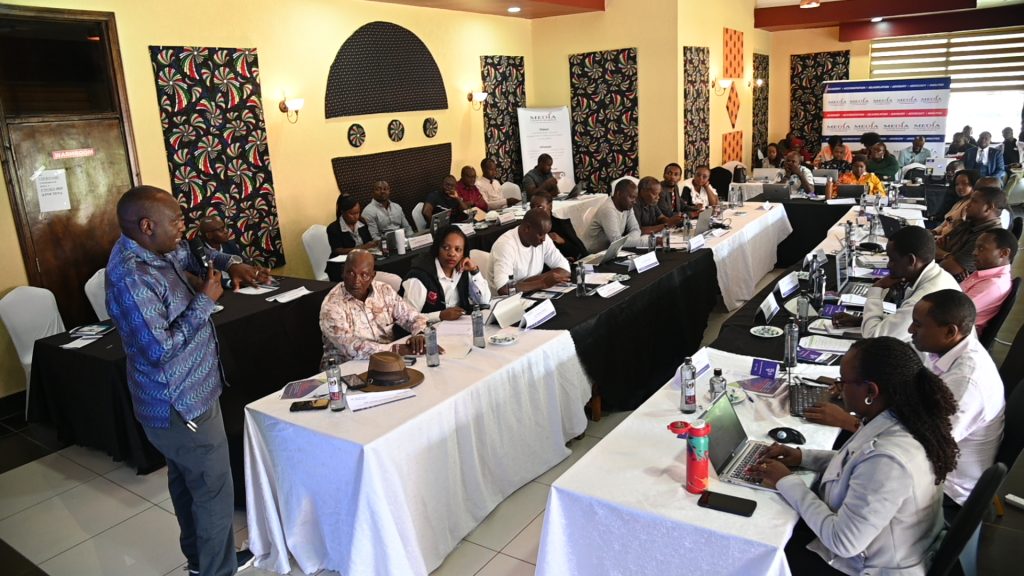
As Kenya inches closer to the 2027 general elections, the media landscape finds itself at a critical crossroads. In a proactive move to ensure the upcoming polls are defined by truth, stability, and professional integrity, the Association of Media Women in Kenya (AMWIK) recently participated in a high-stakes Media Sector Roundtable on Election Preparedness. Convened by the Media Council of Kenya (MCK), the forum brought together a powerful coalition of industry leaders and electoral stakeholders.
The primary mission was to strategize on upholding professionalism, integrity, and accountability. At the very heart of these discussions was a crucial deliverable: the formulation of the Elections Reporting Guidelines for Journalists and Media Practitioners 2027.
The upcoming election cycle will be fought fiercely in the digital arena. During the roundtable discussions, AMWIK Executive Director Queenter Mbori raised an urgent red flag regarding Kenya’s changing news consumption habits. While a vast number of Kenyans now rely on social media as their primary source of news, Mbori highlighted that this digital shift introduces severe vulnerabilities.
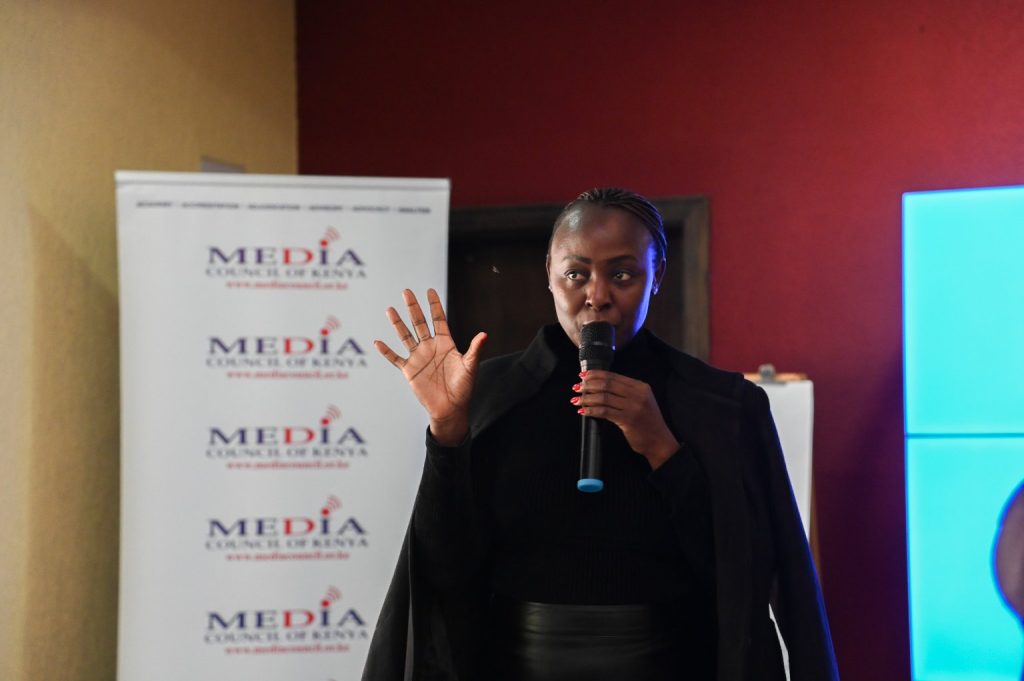
The rapid-fire spread of misinformation, paired with limited media literacy among general audiences, presents a direct threat to an informed electorate. Without a discerning public and a vigilant press, the digital space risks becoming a breeding ground for manipulation rather than democratic engagement.
To counter these vulnerabilities, the media sector is building a sturdy regulatory and operational defense. David Omwoyo, MBS, the CEO of the Media Council of Kenya, emphasized the practical nature of the upcoming guidelines:
“The Elections Reporting Guidelines for Journalists and Media Practitioners 2027 is intended to serve as a practical and operational framework for election coverage, guiding both media practitioners and electoral stakeholders.”
Adding to this framework, Victor Bwire, Director of Media Training and Development at MCK, stressed the heavy historical weight carried by the press during election cycles. He invoked a sobering reminder from veteran journalist Lee Njiru, noting that:
“Journalists have a responsibility to ensure their reporting is accurate, balanced, and sensitive to context, so as not to inflame ethnic tensions or undermine social cohesion, as happened in the 2007 Post-Election Violence.”
Beyond conflict mitigation, the roundtable tackled the technicalities of reporting the actual numbers. Erick Oduor, Secretary General of the Kenya Union of Journalists (KUJ), pointed out that “the media has a critical responsibility to ensure coordination in the transmission and reporting of election results,” avoiding the confusion and anxiety that mismatched data can cause.
However, the high expectations placed on the media must be backed by tangible support. Kenya Editors Guild President Zubeidah Kananu brought a crucial human element to the table, stating bluntly: “We cannot meaningfully discuss objective and ethical journalism without addressing the welfare of journalists.”
As a unique silver lining for journalists looking toward the future, the forum also highlighted pathways for civic engagement. MCK CEO David Omwoyo encouraged journalists to actively participate in national governance processes, announcing that the Council will be rolling out a dedicated governance support programme to support journalists transitioning out of the newsroom and into political participation.
By addressing everything from online misinformation and historical trauma to result transmission and journalist welfare, the roundtable set a collaborative foundation for 2027. The media’s co