
Reclaiming the Narrative: Insights from the 2026 Media Summit
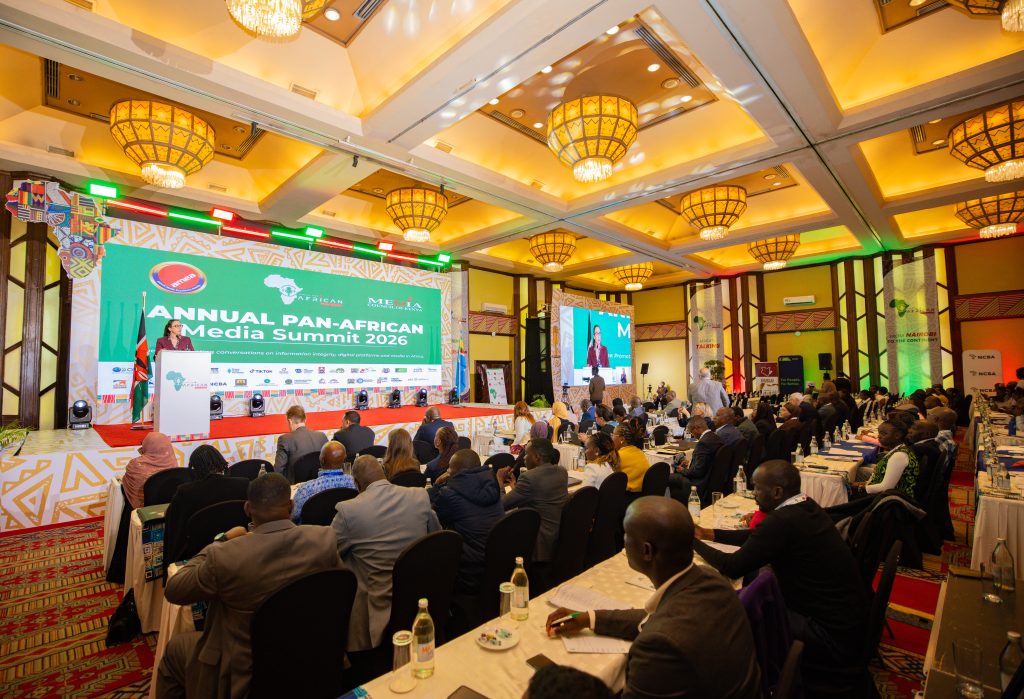
The 2026 Pan-African Media Summit, held recently from May 13th to 14th in Nairobi, Kenya, brought together a formidable coalition of policymakers, journalists, and civil society actors to confront the critical challenges facing Africa’s changing information ecosystem.
As a co-convenor of this historic gathering alongside our partners at the Media Council of Kenya, the OECD, the Kenya Union of Journalists, and the Kenya Editors Guild, the Association of Media Women in Kenya (AMWIK) stood at the forefront of shaping an inclusive, resilient future for African journalism.
A central theme woven throughout the summit’s final communiqué was the urgent need to protect information integrity in an era increasingly dominated by digital platforms and artificial intelligence. While these technologies open new horizons for expression, they have simultaneously fueled a rise in coordinated inauthentic behavior and harmful online content.
For AMWIK, the rapid escalation of cyber harassment remains a matter of profound concern. Women journalists and media professionals continue to be disproportionately targeted by online abuse and gender-based digital violence, particularly during electoral periods, which directly threatens their safety and undermines freedom of expression.
The deliberations also highlighted structural vulnerabilities within the industry, specifically the worrying trend of media ownership concentration across the continent. When a few powerful entities control the public square, diverse perspectives are squeezed out, leading to biased reporting and the persistent under-representation of women and marginalized communities. This loss is compounded by the decline of local, community-focused journalism, which has historically provided essential grassroots accountability.
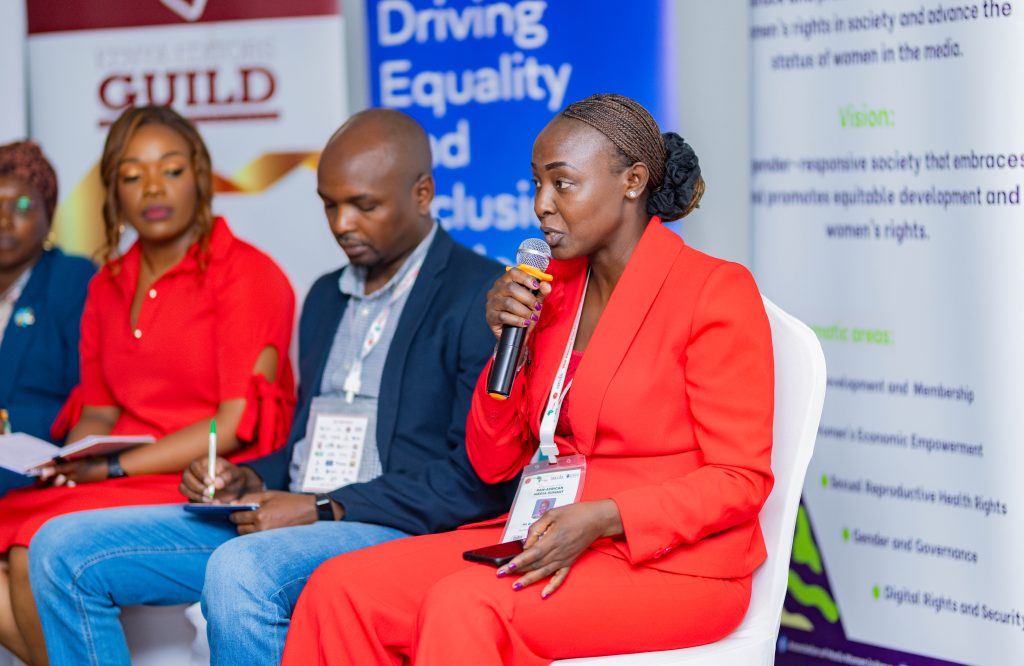
During a dedicated side event on sexual harassment at the conference, stakeholders issued a decisive call to action, demanding strict accountability for perpetrators alongside the widespread adoption and enforcement of robust sexual harassment policies across the industry. Emphasizing the urgent need for systemic change, the Executive Director of the Association of Media Women in Kenya (AMWIK), Queenter Mbori, urged media houses to actively reach out to AMWIK for strategic assistance.
She highlighted that the organization stands ready to support media institutions not only in drafting and implementing comprehensive policies but also in establishing effective, survivor-centric protection mechanisms to guarantee safe, dignified, and equitable working environments for all media practitioners.
Moving forward, AMWIK remains resolutely committed to advocating for newsrooms that champion gender parity in leadership, investing in robust digital literacy for Africa’s vibrant youth demographic, and building sustainable, independent business models that safeguard public-interest journalism and protect the voices shaping our continent.
By Denis Mbau, Impact and Communications Liasion
