
How Africa Can Curb Illicit Financial Flows to Unlock Development Funding
By Victoria Musimbi
Africa loses an estimated USD 90 billion every year through illicit financial flows funds that could transform schools, strengthen hospitals, improve infrastructure, and drive innovation across the continent.
To tackle this challenge, the Coalition for Dialogue on Africa (CoDA) was established as a joint initiative of the African Union Commission.
The Coalition coordinates continental efforts, strengthens financial oversight, and develops legal and policy frameworks to ensure Africa’s wealth remains within the continent.
Research, Report Launch, and Systemic Gaps
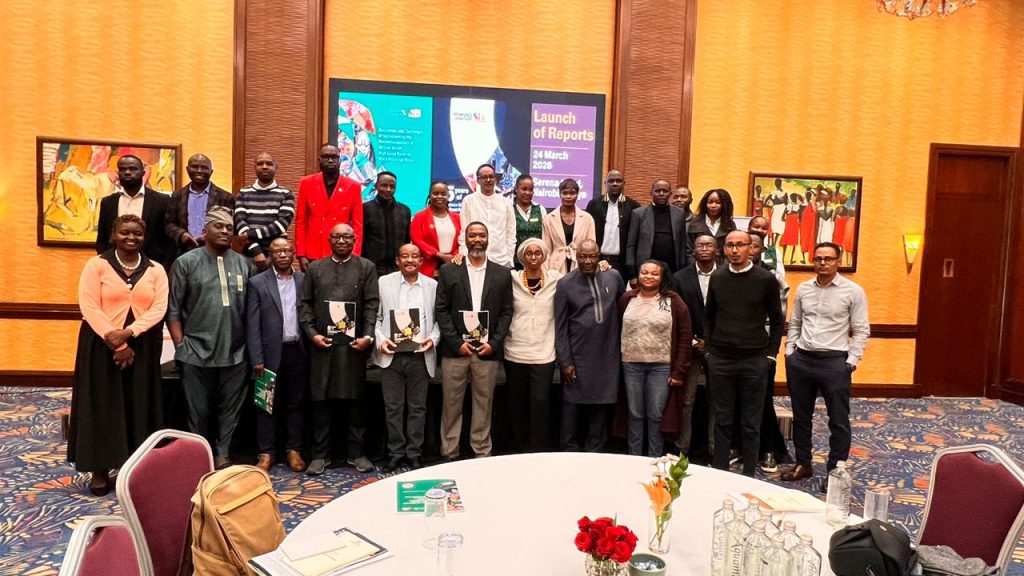
Professor Florens Dominic Luoga, a retired Governor of the Central Bank of Tanzania and senior advisor to the Coalition, highlighted the launch of two new reports examining illicit financial flows and asset recovery in Africa.
“These reports are the result of in-depth research commissioned by the AU to understand why a continent rich in resources still struggles to finance its development. The findings show that billions of dollars continue to leave Africa every year through illicit financial flows, often facilitated by corporate loopholes, weak tax systems, and opaque procurement practices,” he said.
Prof. Luoga pointed to several real-world practices driving these losses. In the mining sector, weak legal and tax regimes allow multinational companies to shift profits to low-tax jurisdictions, depriving governments of revenue. In some cases, companies operating across countries bill local subsidiaries for costs incurred elsewhere such as exploration activities reducing taxable income.
He also noted that profits held offshore are sometimes reintroduced as loans with high interest rates, allowing companies to report losses locally while moving profits abroad.
Procurement systems further contribute to the problem, with centralized structures enabling overpricing of goods and services by foreign suppliers. In the banking sector, weak enforcement of export earnings repatriation means that revenues remain in foreign accounts instead of supporting domestic economies.
Prof. Luoga emphasized that stronger domestic legal frameworks, transparent auditing systems, and African-led dispute resolution mechanisms are essential to closing these gaps and retaining resources for development.
Commercial Drivers of Illicit Flows
Dr. Redge Nkosi, an economist, Head of the African Heterodox Economics Network, Executive Director and Head of First Source Money a research organization based in Johannesburg and a co-author of the report on illicit financial flows, highlighted the commercial side of the problem.
“Our research shows that between 65% and 70% of illicit financial flows come from corporate practices such as transfer pricing and trade misinvoicing by multinational corporations, rather than corruption or money laundering alone,” he said.
Dr. Nkosi added that while some governments have established institutions to address the issue, coordination remains weak and many agencies lack the technical capacity to act effectively.
He also questioned the current model of foreign investment, noting that it often results in limited job creation, reduced tax contributions due to incentives, and continued capital outflows.
“Africa must improve inter-agency cooperation, build technical capacity, and strengthen domestic banking systems to mobilize resources internally rather than relying heavily on external borrowing,” he said.
Need for Coordinated Continental Action
Souad Aden-Osman, Executive Director of the Coalition for Dialogue on Africa, emphasized the importance of evidence-based action and sustained continental coordination.
“Much of the work behind policy proposals remains unseen, but it is crucial. Research is the bedrock of development, and young people must understand the importance of engaging with these issues,” she said.
She stressed that African countries must identify challenges at the national level, consolidate them at the continental level, and consistently present unified positions on global platforms. According to her, only coordinated and sustained efforts will ensure that Africa effectively curbs illicit financial flows and retains resources for its people.
Recommendations for Retaining Africa’s Wealth
Experts recommend a multi-pronged approach to address illicit financial flows. The AU and its member states should strengthen legal and regulatory frameworks, close loopholes in tax and procurement systems, and enforce the repatriation of export earnings.
Governments should also invest in institutional capacity, improve coordination among agencies, and promote transparency in contracts involving multinational corporations.
Some government efforts are already underway to strengthen tax systems and financial oversight, though progress remains uneven across countries.
Collaboration with civil society, academia, and the media is essential to increase accountability and public awareness. At the global level, countries that receive illicit funds must be held accountable and implement stricter measures to prevent illicit inflows.
With coordinated action at national, continental, and global levels, Africa can retain its wealth, fund critical development priorities, and accelerate sustainable economic growth.
