
The Baton and The Blueprint: Passing the Torch for Gender Equality at Beijing+30
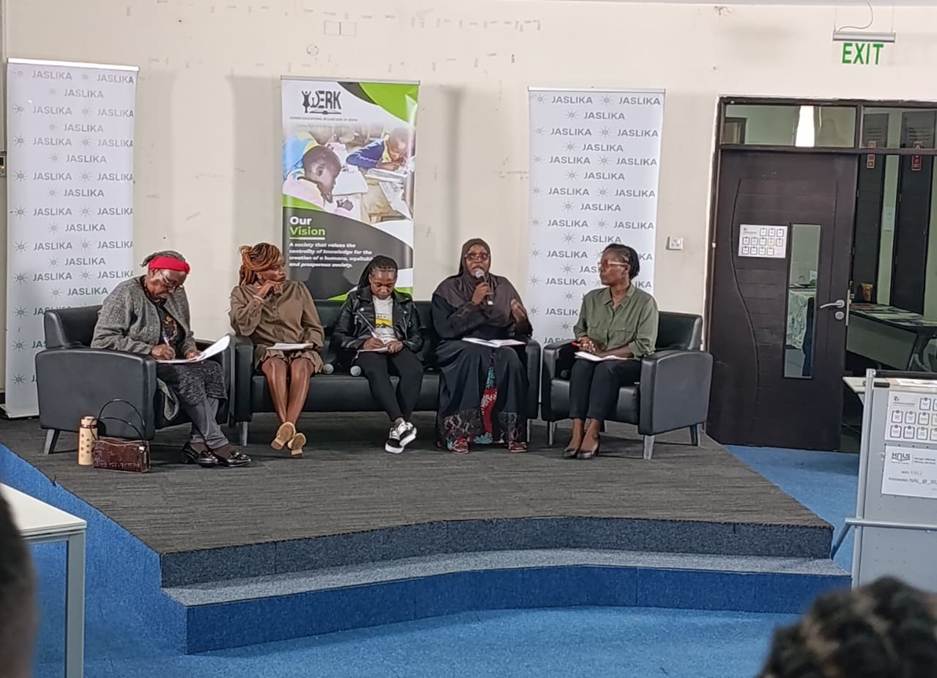
The journey towards gender equality is not a straight line but a continuous, evolving conversation. In Nairobi, that conversation took a powerful, intersectional turn. Co-hosted by Jaslika and the Women Educational Researchers of Kenya (WERK), the fireside chat “Beijing+30 and Beyond” brought together veteran advocates from the 1995 Beijing Conference and a new generation of feminist leaders. The goal was clear; to honor the legacy of the Beijing Declaration and Platform for Action by critically examining its present-day relevance and forging an inclusive path forward. The message from the pioneers was a resonant call to action, with one veteran from 1995 powerfully stating, “It’s not just passing the baton. It’s preparing this generation for the greater things that we are not able to accomplish… You must do greater things than we did.”
The dialogue began by honoring the tangible progress forged in the wake of Beijing, with panelist Yasmin outlining key Kenyan gains such as increased educational access for girls, the landmark two-thirds gender principle, and robust legal frameworks like the Sexual Offenses Act. Yet, this celebration was swiftly tempered by a clear-eyed assessment of the work that remains. The panel identified a stubborn “implementation chasm,” where policies often fail to reach the grassroots epitomized by a headteacher unaware of guidelines for re-enrolling pregnant girls. This gap is fueled by a critical lack of sustainable funding, misappropriated resources, and a persistent lack of political will, where patriarchal resistance in halls of power continues to stall meaningful progress.
The conversation then swiftly moved to the modern complexities of gender advocacy. Margaret of Her Dignity, Her Pride Initiative masterfully outlined the double-edged sword of the digital age. While it offers unparalleled tools for mobilization and storytelling, it also unleashes new forms of violence. “Online space is becoming a site of violence every day,” Margaret stated, pointing to cyberbullying, doxing, and deepfakes. She powerfully argued that “digital justice must be included in gender justice,” emphasizing that empowerment is meaningless without a safe space for expression.
Perhaps the most profound moments came from Mercy Monica of Intersex Kenya Advocacy Education, who delivered a powerful, educational, and deeply humanizing account of the intersex experience. Defining intersex persons as those born with varied sex characteristics, Mercy detailed the profound stigma, discrimination, and trauma they face from forced surgeries to being denied access to appropriate healthcare. “We deserve to access those things. We deserve to be part of decision-making,” Mercy asserted, challenging the audience to look beyond binary perceptions. Her testimony was a stark reminder that the feminist movement must actively expand to include all marginalized identities, ensuring that no one is left behind.
As the conversation concluded, the panelists’ calls to action coalesced into a clear and urgent roadmap for the future. The path forward demands that we breathe life into existing policies, moving them from paper to practice through effective implementation and dedicated funding. We must simultaneously bridge the digital divide, creating online spaces where women and girls are safe from violence and empowered to thrive. This journey requires an unwavering commitment to intersectionality, championing inclusive environments and advocating for the rights of intersex persons, people with disabilities, and all marginalized communities. Ultimately, achieving these goals hinges on financing the future with sustainable models that center youth innovation and fostering robust intergenerational partnerships to ensure the movement remains united, knowledgeable, and strong.
The Jaslika and WERK event captured the true spirit of today’s fight for equality, it brings diverse voices together, faces hard truths, and focuses squarely on the future. It showed that the vision from Beijing is not just a memory, but a living mission one that a new generation is now reshaping to tackle today’s interconnected challenges.”
By Adelight Ngugi, Communications Assistant
