
Feminizing Kenya’s Political Spaces: Women, Media and Movements Redefining Power
By Joan Kinuthia, Amwik Program Assistant
Kenya’s political landscape remains a contested ground where power, privilege, and patriarchy still shape who leads and whose voice is amplified. Despite constitutional guarantees under the 2010 Constitution — including the two-thirds gender principle — women continue to occupy less than a third of political positions. Fifteen years later, equality on paper has yet to translate into equality in practice.
Patriarchal norms continue to influence Kenya’s political spaces, rewarding aggression and gatekeeping access to leadership. Women in politics face cultural resistance, financial exclusion, and harassment both online and offline. Those who do make it must constantly prove their competence in ways men rarely have to.
According to data from the National Gender and Equality Commission (NGEC),women remain significantly underrepresented across all levels of elective office.
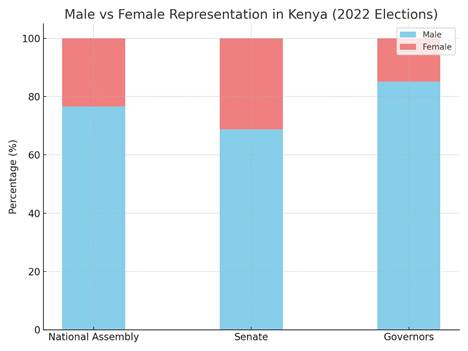
Transforming this imbalance requires more than just filling quotas. It demands a shift in political culture and leadership values one where inclusion, care, and justice replace domination and exclusion. Organizations like Badili Africa are leading this transformation through feminist-centered leadership models.
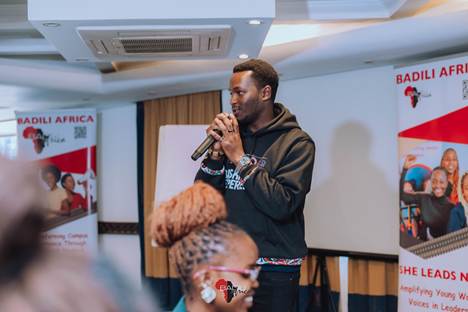
Based in Nairobi, Badili Africa trains and mentors young women through innovative programs like Political Spas, civic education workshops, and movement-building sessions. These spaces demystify governance, breaking down complex legislative issues into relatable discussions that build confidence, agency, and sisterhood among women leaders.
“We have many Kenyan women who have shaped the country’s history, yet their stories remain untold,” says Tevin Kote, Badili Africa’s Communications Officer. “By reading about our history, we understand the hurdles we face and our history guides us to do better as we build movements.”
Media also plays a pivotal role in shaping public attitudes toward women in politics. Historically, Kenyan media often mirrored societal biases focusing on appearance, family life or emotions rather than policy and impact. But change is underway, thanks to advocacy and training from organizations like the Association of Media Women in Kenya (Amwik).
Through gender-sensitive reporting , Amwik helps journalists recognize how narratives can reinforce or challenge stereotypes. They train reporters and editors to use a gender lens in story framing, headline writing and sourcing ensuring women’s voices are not sidelined but centered in political coverage.
Collaborations between Amwik, Badili Africa and other feminist organizations are fostering a media landscape that values women as credible experts and leaders. More newsrooms are establishing gender desks and editorial policies to promote equitable representation and fair storytelling.
The intersection of activism and journalism is proving powerful. As Badili Africa builds women’s capacity to lead, Amwik ensures that media offers a fair and dignified platform for those women to be seen and heard. Together, they are redefining leadership and dismantling patriarchal narratives that have long shaped Kenya’s democracy.
Feminizing political spaces goes beyond increasing numbers .It’s about transforming how we view power. When young women are empowered to lead and when their stories are told with accuracy and respect, democracy grows stronger. As Kenya approaches another election cycle, the challenge remains clear: to build systems that reflect the diversity of its people and ensure that women are not just present, but powerful.
