
Global Initiative and AMWIK Launch Collective Effort to Combat Nature Crimes
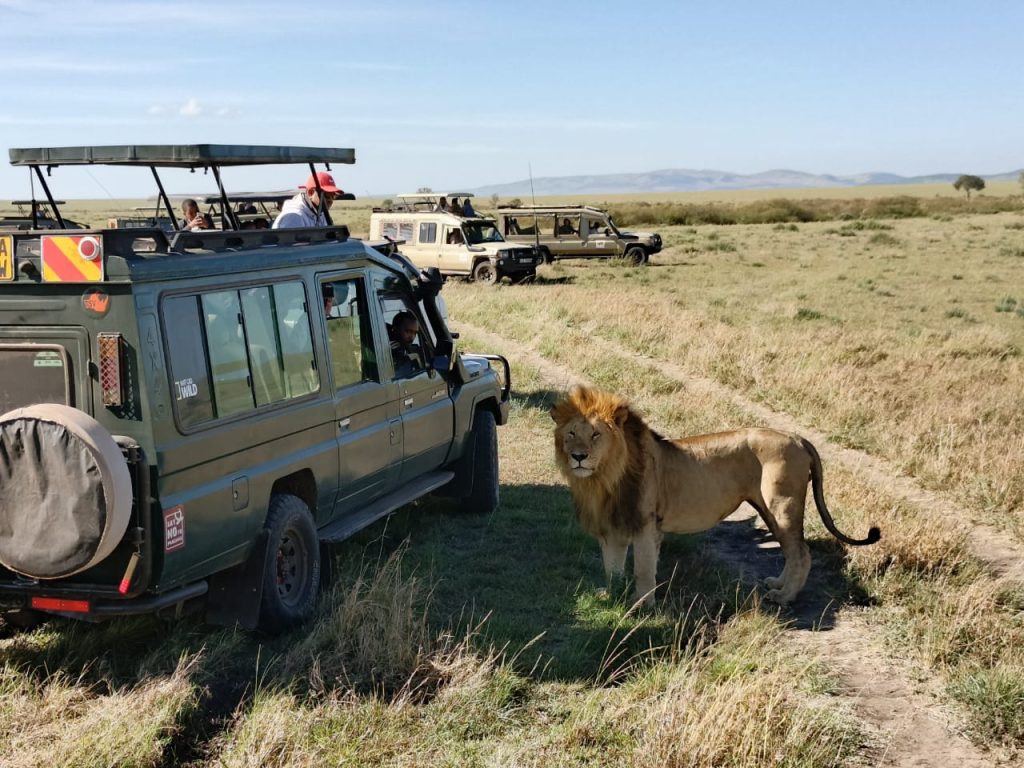
Kenya’s breathtaking biodiversity and rich natural resources are not only a source of national pride but also the backbone of the country’s economy. Tourism, driven largely by this natural heritage, contributes over 250 billion shillings annually in foreign exchange, creating jobs for more than 1.6 million people both directly and indirectly. Yet, many Kenyans and the wider world remain unaware of the immense positive impact that wildlife and environment conservation have on our economy and livelihoods — and more importantly, how to protect this precious heritage.
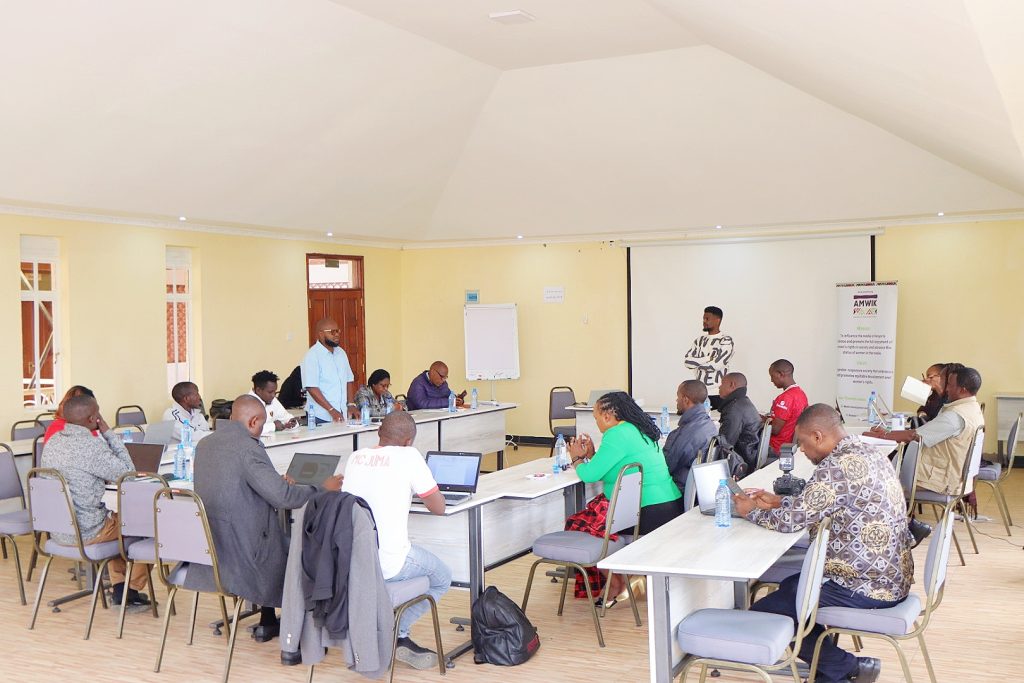
In an inception meeting recently held in Kajiado, participants gathered to launch a project aimed at empowering journalists, local community leaders, county government representatives, and conservation organizations. The event set the pace for a series of collaborative activities under a partnership between AMWIK and the Global Initiative against Transnational Organized Crime. Their goal: to strengthen reporting on nature crimes and boost community awareness within Kenya’s critical wildlife zones.
Illegal Wildlife Trade (IWT) continues to be a massive global menace, valued at an estimated $23 billion annually. This illicit trade — particularly in ivory, rhino horn, and other wildlife products — is operated by complex, dangerous international smuggling networks involving corrupt local and regional actors. Beyond devastating Kenya’s ecosystems, these crimes undermine the rule of law, breed corruption, and directly harm the communities that depend on wildlife for their income and wellbeing.
As one attendee explained, “When wildlife populations decline due to these crimes, tourism suffers, pushing local communities further into poverty. This vulnerability can trap people in the cycle of illegal trade that destroys their own future.”
The launch event in Kajiado marked a critical step toward raising awareness around the importance of conservation and the pressing threats posed by illegal wildlife trade. The project seeks to empower local journalists with the tools and knowledge to report effectively on nature crimes, while simultaneously engaging communities in understanding the socio-economic consequences and legal frameworks involved.
Local Chief Lamwek Koobai highlighted one of the challenges, “Conflict between humans and wildlife, such as predators attacking livestock or elephants damaging crops, often leads to retaliatory killings and community resentment. We need continuous monitoring of species health and ecosystem impact to promote coexistence.”
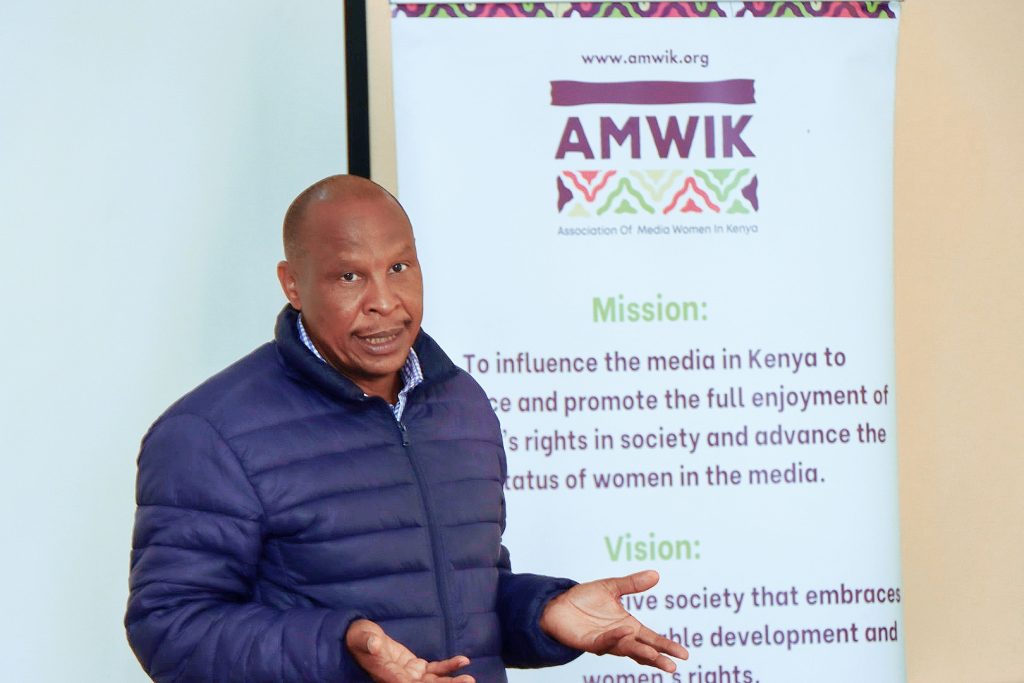
John Were, representing Kenya Wildlife Services (KWS) in the region, reaffirmed KWS’s commitment to working collaboratively with local communities, emphasizing the mutual benefits of partnership in tackling these shared challenges.
Despite the courageous efforts of organizations like KWS, the rise of sophisticated, organized poaching networks linked to transnational crime poses growing threats to Kenya’s wildlife security. Given that most wildlife in Kenya lives outside formal protected areas, community-led conservation initiatives are essential to preserving the country’s natural legacy.
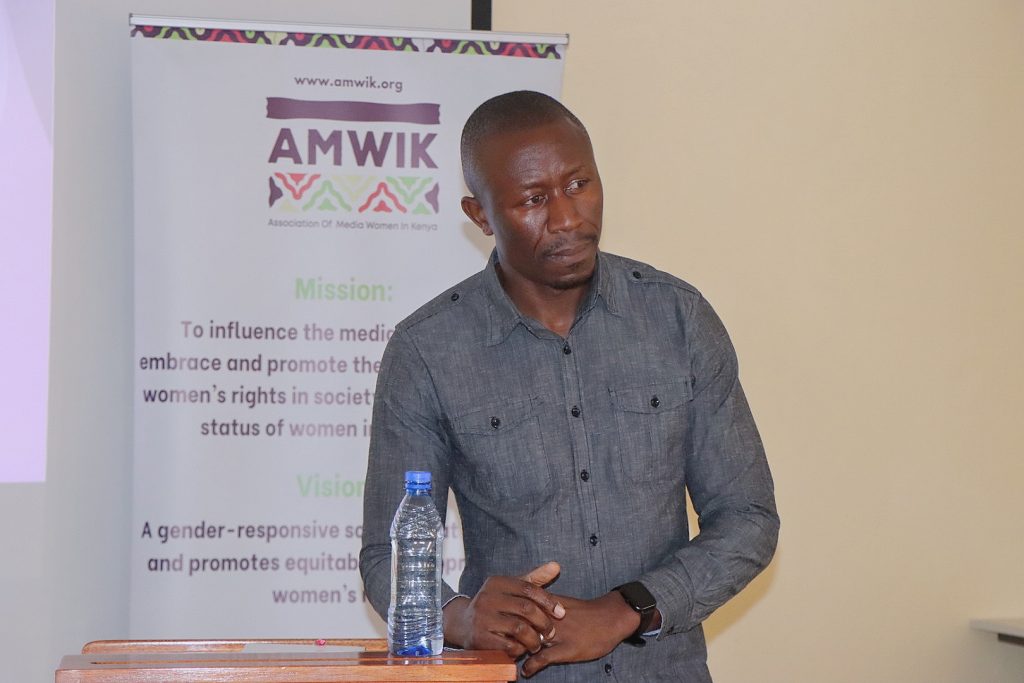
As Jacques Muhindo from Resilience Fund Africa explained, “Due to the interconnected nature of organized crime, community-oriented responses are essential for developing effective and contextually relevant solutions. Engaging with the media is equally critical because community-led narratives and evidence ensure interventions are informed and grounded in local realities.”
The media plays a pivotal role in this ecosystem. By enhancing the capacity of journalists to cover environmental issues more effectively and reinforcing investigative reporting, the media can inform policies, shape public opinion, and catalyze economic engagement around wildlife conservation. With continued partnerships between communities, government, NGOs, and the media, Kenya can protect its incredible biodiversity for generations to come.
This inauguration marks the beginning of a shared journey: a collective effort to safeguard Kenya’s iconic species, protect livelihoods, and uphold the natural heritage that truly is the heart of Kenya’s economy.
