
Experts Call for Stronger Collaboration to Prevent Disease Outbreaks
By Victoria Musimbi
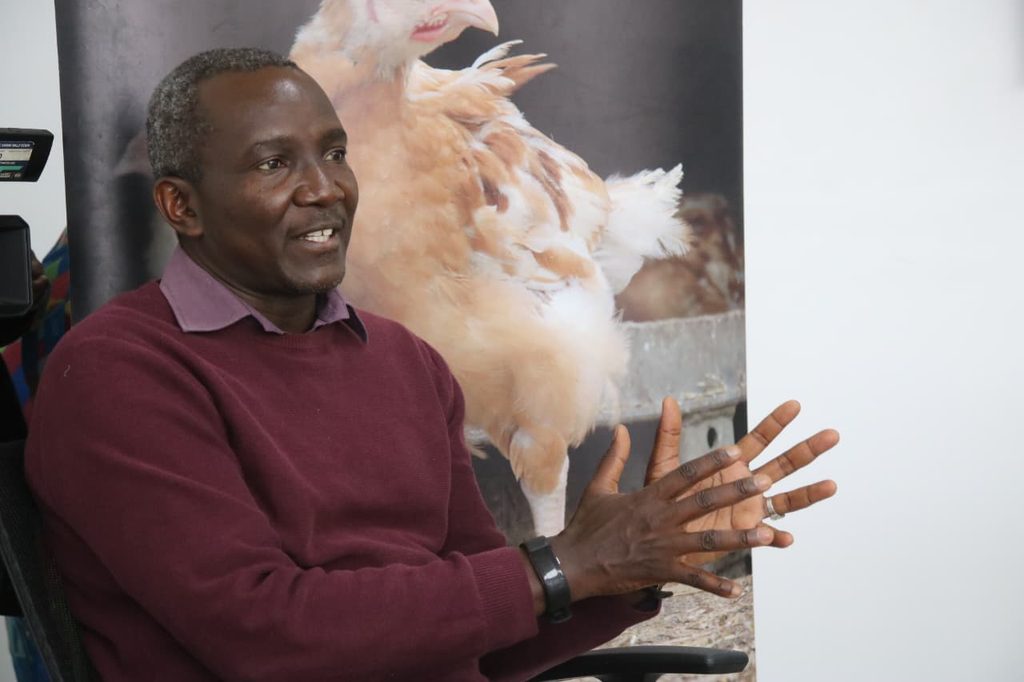
Strengthening disease surveillance, promoting responsible antibiotic use and improving waste management are among the measures needed to prevent disease outbreaks and protect communities from health risks linked to humans, animals and the environment.
Speaking during a media briefing ahead of the East Africa One Health Conference, health experts called for closer cooperation among medical practitioners, veterinarians, environmental specialists and policymakers to address these interconnected challenges.
Collaboration Key to Addressing Health Risks
Dr Victor Yamo, Executive Director of the Global One Health Advocacy Alliance (GOHAA) and chairperson of the conference committee, said health challenges affecting animals, people and the environment require coordinated action across sectors.
He explained that the Kenya One Health Collaborative began in 2024 after the Kenya Veterinary Association and other stakeholders recognised the need to work more closely to address shared health risks.
The approach brings together professionals from different fields, including researchers, policymakers and journalists, to improve health outcomes.
“Essentially, what we are now saying worldwide is that One Health is about bringing all those sectors together and ensuring that whatever happens in one of those sectors is managed at that sector,” Yamo said.
He urged journalists to use their communication skills to educate the public about health risks and preventive measures, noting that they do not need medical training to contribute.
“We are not trying to convert you to a health worker. We are just trying to say, can you use your media-ness or your communication skills to drive that process to improve health outcomes?” he said.
Antimicrobial resistance illustrates the need for such cooperation. Antibiotics used in animal production can leave residues in manure, while poor waste management can allow residues and resistance genes to enter the environment and contaminate water sources.
“In certain communities where we went, that water is what the community uses,” he said, calling for responsible antibiotic use, improved production practices and proper waste disposal.
Food safety also requires attention at every stage, from farming and production to food handling, to ensure consumers have access to safe food.
“We are looking at how we manage production systems. What do we need to do at the food systems level, at the farming level and at the production level to ensure that whatever you end up eating is good-quality food, food that is wholesome and will not give you challenges,” he said.
He also highlighted anthrax prevention, urging farmers and communities to understand the risks associated with infected animals and follow safe disposal practices.
Journalists, he added, can help translate technical information into accessible stories that explain health risks and practical solutions.
“We just need to pick their brains and convert it,” he said.
Early Detection and Prevention Are Essential
Dr Cynthia C. Chemonges, a pathologist and convener of the Public Health Committee on Road Safety and Tobacco Control at the Kenya Medical Association (KMA), said disease prevention requires professionals to consider human, animal and environmental health together.
She noted that population growth, changes in land use and climate impacts were increasing the need for coordinated responses to emerging health threats.
“Human health cannot be seen just in isolation. We also have to address animal health and our shared environment,” she said.
More than 60 per cent of existing infectious diseases and over 75 per cent of emerging infectious diseases in humans are linked to animals, she noted.
She also highlighted reverse zoonosis, where pathogens spread from humans to animals. COVID-19, for example, can spread from humans to domestic pets such as cats and dogs, while human tuberculosis has been documented in livestock and other animals.
Poor sanitation can create additional risks. Parasites such as Giardia and Cryptosporidium can contaminate water systems through improperly disposed human waste, exposing livestock and wildlife to infection.
Stronger disease surveillance and diagnostic systems would help authorities identify infections early, improve food safety and protect livestock. Local health facilities also need the capacity to detect and respond to threats before they escalate into wider outbreaks.
“Because you cannot treat or prevent something you are not able to detect,” she said.
She called for regional cooperation among medical, veterinary and environmental health professionals, noting that diseases do not respect national borders and require coordinated monitoring and responses.
Public awareness is equally important. Communities should dispose of waste properly, vaccinate pets against rabies and ensure livestock receive regular veterinary care.
She particularly warned about the dangers of rabies following animal bites or scratches that break the skin. Anyone exposed should immediately wash the wound with soap and running water and seek urgent medical attention, even if the animal has been vaccinated.
“Rabies is 100 per cent fatal, but also 100 per cent preventable,” she said.
She advised people to report animal bites to health professionals so veterinary teams can assess the animal and help prevent further infections.
The East Africa One Health Conference will take place from November 3 to 5, 2026, at the Panari Hotel in Nairobi. The hybrid event will bring together stakeholders from across the region to discuss shared health challenges and strengthen collaboration. Pre-conference webinars and media engagements have also been organised to improve public understanding and support accurate reporting.
