
AMWIK Champions Gender Inclusion in Proposed Reforming of the Media Council Act
As Kenya’s media sector undergoes rapid technological transformation, the Association of Media Women in Kenya (AMWIK) has reaffirmed its commitment to safeguarding press freedom, institutional integrity, and gender responsiveness within the industry’s regulatory bodies.
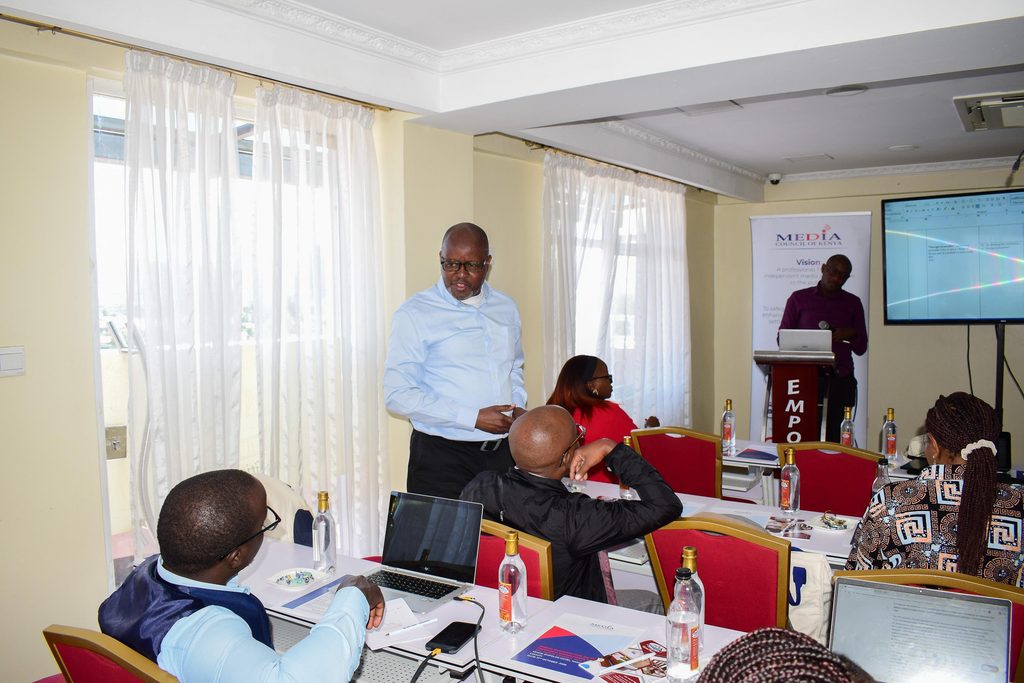
Representing AMWIK during the stakeholder consultation forums on the review of the Media Council Act, Impact and Communication Liasion, Denis Mbau and Co-opted Board Members incharge of Legal, Atieno Ogola, presented a strong case for including AMWIK in the official selection panel responsible for appointing the Media Council of Kenya (MCK) Board.
Highlighting the organization’s historic role and measurable impact in advancing gender equality, safety for women journalists, and ethical broadcasting standards across the region, Mbau emphasized that direct civil society and gender-focused participation in board governance is vital for a fair, inclusive, and forward-looking council.
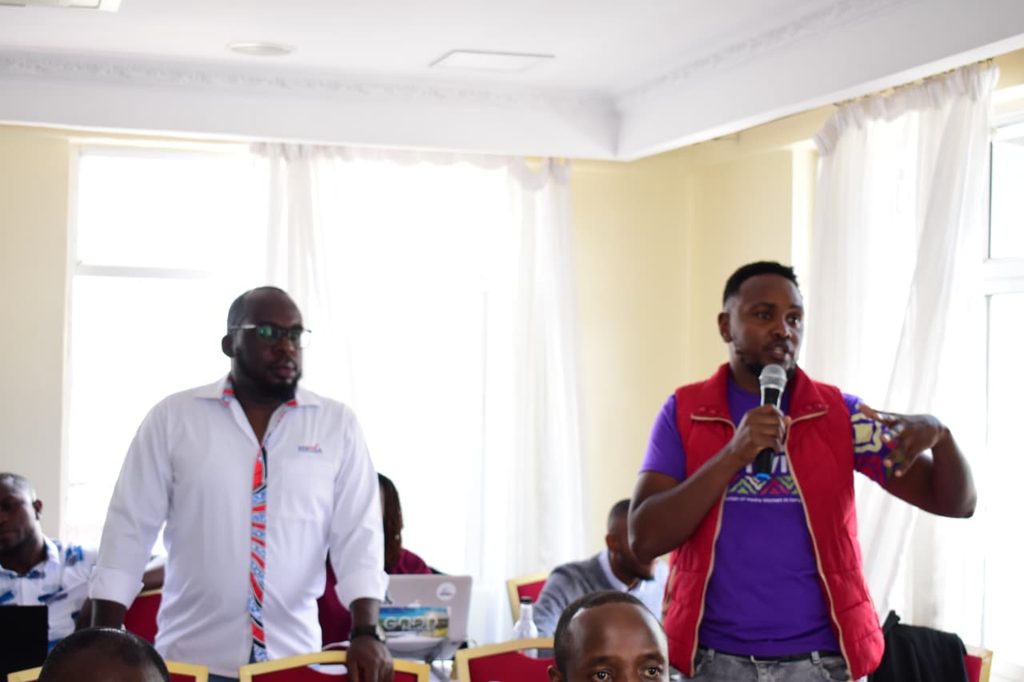
The consultation brought together key industry actors, legal minds, and state representatives, all united around the urgent need to build a future-ready regulatory framework. Speaking on the legal underpinnings of the review process, Jay Buhere, State Counsel at the Office of the Attorney General, noted that the revisions are designed to align the law with statutory and judicial standards.
“The proposed amendments seek to align the Media Council Act with the Constitution and court decisions, strengthen media independence, and clarify the role of the Communications Authority of Kenya,” stated Jay Buhere.
Addressing concerns regarding the rapid integration of emerging technologies like Artificial Intelligence (AI) and digital streaming platforms into mainstream journalism, representative from the Ministry of Information, Communications, and The Digital Economy assured stakeholders that public participation remains central to the legislative update.
“As regulation evolves in the digital and AI era, stakeholders can be assured that their views will be treated with the utmost respect,” remarked Waweru Kimani, Secretary Administration at the State Department for Broadcasting & Telecommunications.
Echoing these sentiments, the Media Council of Kenya underscored that the legislative review offers an invaluable opportunity to fix long-standing structural bottlenecks while modernizing oversight protocols.
“Reforming the Media Council Act is an opportunity to address governance gaps, strengthen institutional stability, and ensure media regulation keeps pace with technological change,” said Haron Korir, Director of Corporate Services at the Media Council of Kenya.
For AMWIK, securing a seat at the table during the board selection process is more than a policy recommendation, it is a necessary step toward ensuring that gender mainstreaming, safety mechanisms for journalists, and inclusive policy design remain at the core of Kenya’s media governance for generations to come.
