Muting the Microphones of Hate: How Kenya’s Media and Public Discourse Can Safeguard the 2027 Polls
With the 2027 General Election drawing nearer, a familiar undercurrent of tension is beginning to ripple across Kenya’s media channels and public discourse. Polarizing rhetoric, ethnic profiling, and an increasingly hostile public square have once again raised alarms over national stability. As the National Cohesion and Integration Commission probes several high-profile politicians for incitement and hate speech broadcast across airwaves and online platforms, the country finds itself at a critical juncture, weighing the high stakes of democratic rivalry against the fragile imperative of peace.
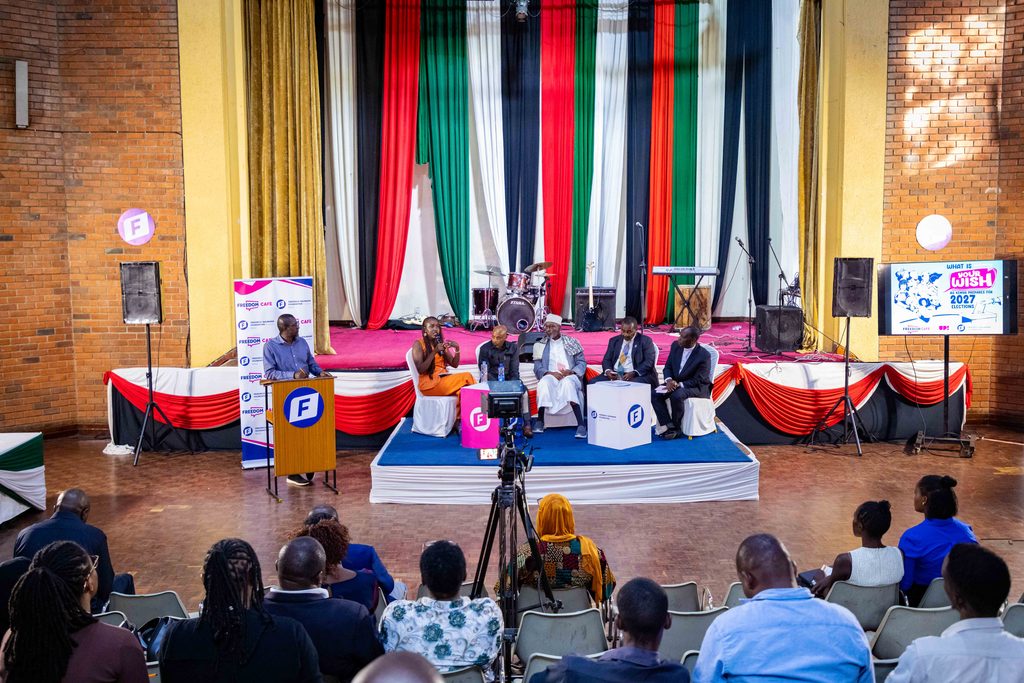
This pressing dilemma brought political figures, religious leaders, and youth advocates together at Nairobi’s Ufungamano House for a Freedom Café symposium hosted by the Friedrich Naumann Foundation-Kenya and Article 10. Under the banner of “Winning Without Violence,” participants tackled the urgent necessity of steering democratic competition away from destructive division and sensationalized conflict. Opening the discussions, FNF Senior Project Manager Judie Kaberia urged media consumers, commentators, and leaders alike to separate fierce political ambition from personal animosity, reminding the gathering that robust disagreement should never erase the shared bond of citizenship.
The shadows of past electoral crises lend a sobering weight to these warnings. The memories of 2007 and 2008, when political friction spiraled into catastrophic violence that claimed over a thousand lives and displaced hundreds of thousands remain a stark reminder of how quickly opportunistic rhetoric can shatter communities when broadcast unchecked. Yet, democratic competition need not follow a tragic blueprint. Recent democratic milestones across the continent, such as Botswana’s seamless 2024 transition where an incumbent conceded defeat before the final count concluded, prove that political power can shift gracefully without media-fueled panic destabilizing a nation.
Preventing conflict requires proactive commitment rather than reactive regret. Prof. Kivutha Kibwana, Chancellor of International Leadership University, emphasized that maintaining peace is a collective duty binding the state, opposition, news outlets, and voters. Warning against a false sense of security, he urged key stakeholders to initiate dialogue and mediate tensions early, pointing out that the cost of rebuilding trust after a crisis vastly outweighs the effort needed to preserve it. In this delicate balance, religious leaders also hold immense moral sway. Sheikh Abdullahi of the National Muslim Leaders Forum called on faith communities to use their public platforms to speak out boldly against incitement, asserting that remaining silent in the face of growing hostility only invites injustice and unrest.
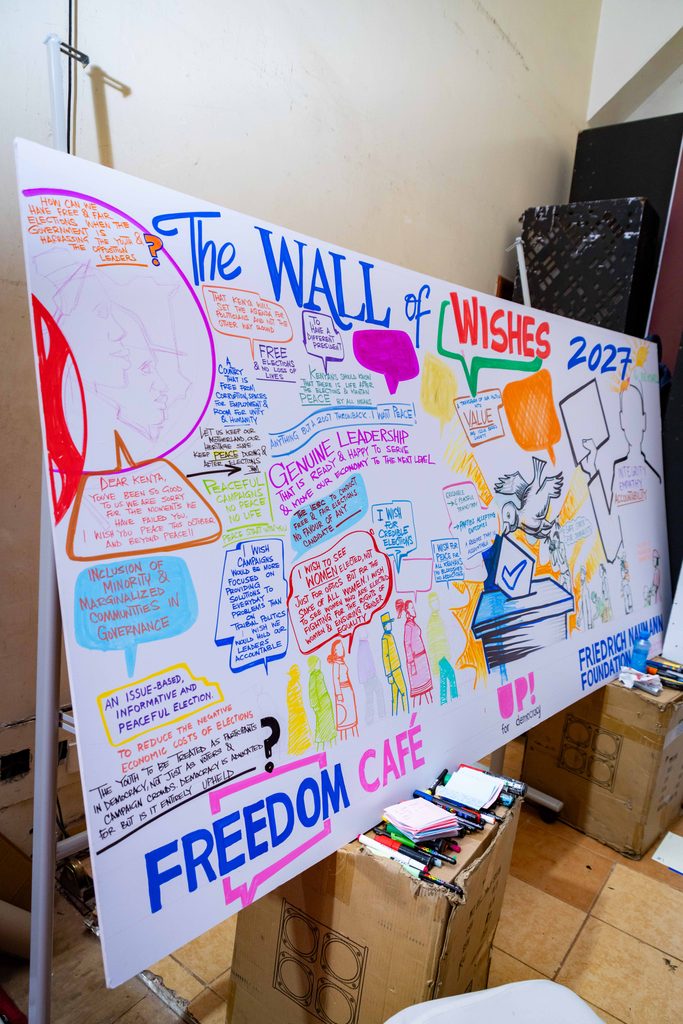
Crucially, the youth demographic, long targeted through political messaging and online campaigns for partisan mobilization, is actively reshaping its role in the democratic process. Jackline Cheruto Kibet, Youth Senate Leader for West Pokot, declared that young Kenyans refuse to be used as political foot soldiers, insisting on their rightful position as meaningful decision-makers. This spirit of civic ownership was visibly captured during the forum’s “Wall of Wishes” art installation, where messages from citizens of all ages underscored a unified hope for tranquility.
Ultimately, Kenya’s true test in 2027 will not be whether its political contests dominate the headlines, but whether its people and media can host passionate debate while holding fast to their shared humanity.