
BEFORE WE VOTE, WHAT DO WE KNOW?: REFLECTIONS ON THE INTERNATIONAL DAY FOR UNIVERSAL ACCESS TO INFORMATION
By Risper Wanjiru, Project Assistant, AMWIK
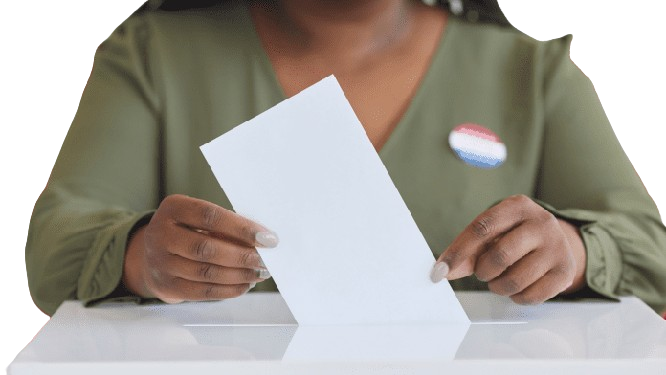
Imagine receiving a WhatsApp message telling you that your polling station has changed. You forward it to your family group. Someone says it is fake. Another person insists they heard the same thing from a local leader.
So, who do you believe?
This is the information environment we are entering as Kenya moves towards the 2027 General Election. We have more information at our fingertips than ever before, but having information everywhere does not necessarily mean having the right information. Sometimes, finding the truth online feels like looking for a needle in a haystack, except, the haystack is also sending you notifications.
As the world marks the International Day for Universal Access to Information on 28 September, this year’s theme, “Upholding Information Integrity in the Digital Age: The Role of Access to Information in Addressing Information Disorder,” is particularly timely.
Information disorder is not one problem with one name. Misinformation is false information shared without the intention to cause harm. Disinformation is deliberately created to mislead or cause harm, while malinformation involves using genuine information in a harmful way. During an election, the consequences can be serious.
In Kenya’s 2022 elections, 75 percent of citizens reportedly encountered fake political news online. With 2027 approaching, we should not wait for the next wave of misleading posts, manipulated videos and political rumours before deciding that information integrity matters. It matters now.
Kenya’s Constitution, through Article 35, and the Access to Information Act, 2016, guarantee citizens the right to access information held by the State. But access to information should mean more than information simply existing somewhere. Information that is difficult to find, understand or verify cannot fully empower the people it is meant to serve. This is especially important for young people.
More than 75 percent of Kenya’s population is under 35 and online. Young people are among the country’s biggest consumers and creators of digital content, yet the facts provided for this campaign indicate that only one in three know how to verify information. Young people should therefore not be treated merely as victims of misinformation. They are also part of the solution. Every young person who pauses before sharing a sensational political claim, checks its source or asks whether an old video is really “breaking news” contributes to a healthier information environment.
Information integrity cannot be an urban, online conversation alone. For grassroots communities, information disorder may have little to do with a viral political video. It can mean false information about fertiliser, healthcare, bursaries, government services or relief food.
This is why information must reach people through channels they can actually use and trust. Community radio, barazas and information provided in Kiswahili and local languages remain important tools for taking reliable information beyond the smartphone screen.
So what do we need?
The fight against information disorder requires access to verified information, media and information literacy, independent fact-checking and greater platform accountability. Public institutions need to communicate openly and promptly. Journalists need to continue verifying information and providing context. Digital platforms need to take responsibility for how harmful content spreads. And citizens have a role too. Before we press “share”, perhaps we need to press pause.
As Kenya looks towards 2027, information integrity cannot be treated as something that suddenly becomes important during the campaign period. The information environment that will shape the election is already being created in our phones, newsrooms, communities, WhatsApp groups and social media feeds.
Democracy is not only about having the freedom to vote. It is also about having reliable information with which to make that choice.
So, before we ask “Who will we vote for?”, perhaps there is another question we need to ask first: “What do we actually know and can we trust it?”
