
Beyond Reading and Writing, Kenya Links Adult Learning to Livelihoods
By Victoria Musimbi
For adults who missed out on formal education, the ability to read and write can open doors, but it may not be enough to secure a livelihood, access health information or participate fully in the economy.
With about 17 per cent of Kenya’s adult population still unable to read and write, educators and community organisations are expanding adult learning beyond basic literacy.
In Nairobi, adult education centres are increasingly being linked to vocational training, digital skills, entrepreneurship and financial literacy, while community organisations combine literacy with health education, mental health support and practical livelihood skills. The approach aims to turn learning into opportunities that improve lives and strengthen communities.
Literacy for Better Lives
Cynthia Wairimu, a psychologist and field supervising officer at Eastleigh HESED, said literacy involves understanding information, developing skills, making informed decisions and knowing where to access support and services.
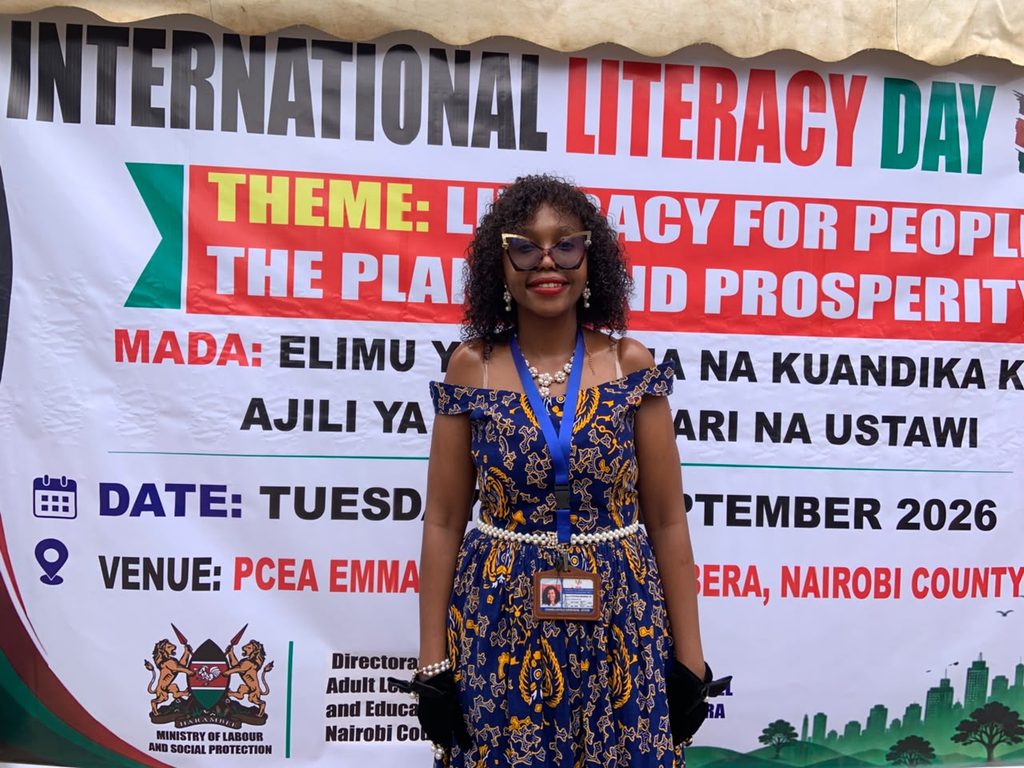
“Literacy is not just about writing or reading. There is so much more,” Wairimu said.
The Foundation for Health and Social Economic Development Africa (HESED Africa) provides free medical services through integrated medical outreaches and conducts community sessions on gender-based violence, reproductive health and nutrition.
The organisation also trains women from vulnerable communities in practical skills such as tailoring, alongside financial literacy and business planning to help them establish sources of income.
Wairimu said the approach equips women with skills they can apply in their own lives while enabling them to support others in their communities.
“If I show you how to make a dress and give you a machine, you are also able to go into the community and empower another woman,” she said.
HESED Africa also provides mental health and psychosocial support, while its Nourish a Child campaign promotes proper nutrition among children aged five years and below.
For Wairimu, literacy is ultimately about acquiring knowledge and using it to make informed decisions, improve livelihoods and protect others.
She said the organisation is seeking partnerships to expand its programmes and reach more communities.
By combining literacy with health knowledge and practical skills, HESED Africa helps women navigate services, make household decisions and build income, making education more relevant to vulnerable communities.
Making Learning Practical
Salome Tera, County Director of Adult Education in Nairobi County, said women’s higher participation in adult education is largely driven by the practical benefits they derive from literacy.
“The reason women are more is survival-driven. Females who lacked a chance at education see literacy as a tool for contracts, savings groups and helping their children,” Tera said.
In Nairobi West Sub-Region, 8,738 learners are enrolled across 69 Adult Learning and Education (ALE) centres in Westlands, Kibra, Dagoretti and Langata. Women account for 5,575 learners, compared with 3,153 men.
Tera said men face work schedules, income concerns and stigma about returning to school later in life.
To attract more men, the county is promoting flexible learning schedules and repositioning adult education centres as community learning and skills hubs. The centres are being linked to TVET, Ajira Digital, driving and financial literacy, while chiefs, faith leaders and civil society organisations are involved in mobilisation.
Tera said the county is moving beyond basic reading, writing and numeracy to functional literacy.
“We have moved from the three Rs reading, writing and numeracy to functional literacy,” she said.
However, staffing remains a major challenge.
“Staffing in Nairobi is my biggest challenge,” Tera said.
The sub-region has 72 ALE instructors , 12 full-time or public, 27 part-time and 33 private instructors alongside four sub-county officers.
Tera said the county is exploring continuous professional development in andragogy and digital skills through partnerships with organisations, NGOs, universities and other stakeholders.
She said stronger partnerships are also needed to address gaps in funding, learning spaces, instructors, digital equipment and curriculum.
“The government alone cannot close the gaps identified,” Tera said. “The county government, private sector, NGOs and UNESCO all have a role to play in strengthening adult learning and supporting Nairobi’s journey towards becoming an effective learning city.”
Expanding Second Chances
The government is widening access to adult education through community learning centres, digital training and second-chance education.
Principal Secretary for Social Protection and Senior Citizen Affairs Joseph Motari said Kenya’s adult literacy rate has increased to about 82.88 per cent, from 61.5 per cent recorded in the last national adult literacy survey conducted in 2006. Despite the progress, about 17.12 per cent of Kenya’s adult population remains unable to read and write.
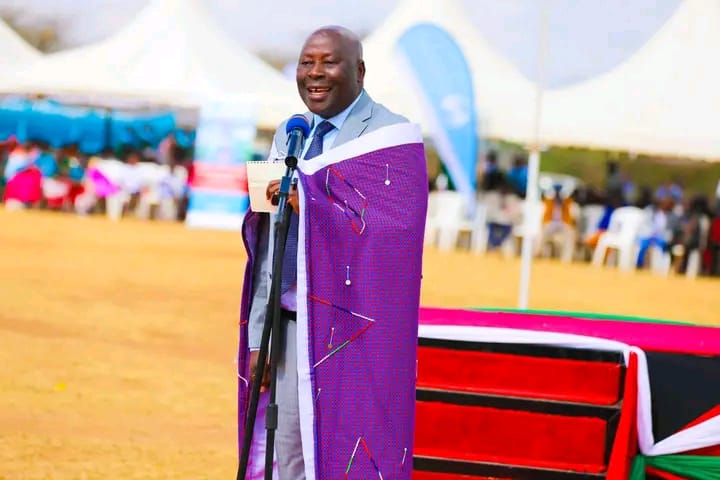
The government has established 5,220 adult education centres across the country, with more than 165,000 learners enrolled. This year, 15,241 learners completed proficiency assessments and qualified for proficiency certificates.
Demand for second-chance education is also growing. More than 13,000 candidates have registered to sit the KCSE examinations in October, compared with 7,700 candidates the previous year.
Motari said the government is expanding adult learning through local-language primers, accelerated education programmes for out-of-school youth, community learning centres and a review of the adult education curriculum.
“We are also responding to the changing demands of the digital economy,” Motari said, noting that computer literacy centres are being established in Multi-Purpose Development Training Institutes and Community Learning Centres. These centres will equip learners with digital skills, alongside financial literacy, entrepreneurship and livelihood skills.
The government is engaging the National Treasury to secure funding for a Kenya National Adult Literacy Survey to provide current data for planning, targeting and investment in adult learning and education, and address gaps in personnel, infrastructure and materials.
“However, the Government cannot achieve universal literacy alone,” Motari said, calling for partnerships among national and county governments, development partners, the private sector, faith-based organisations, civil society, communities, educators and learners.
As Kenya works to close the literacy gap, success will need to be measured not only by enrolment and literacy rates, but by whether learners can use their knowledge to improve their livelihoods, access services and strengthen their communities.
