
Nairobi Opens First County Sickle Cell Clinic to Bring Care Closer to Patients
By Victoria Musimbi
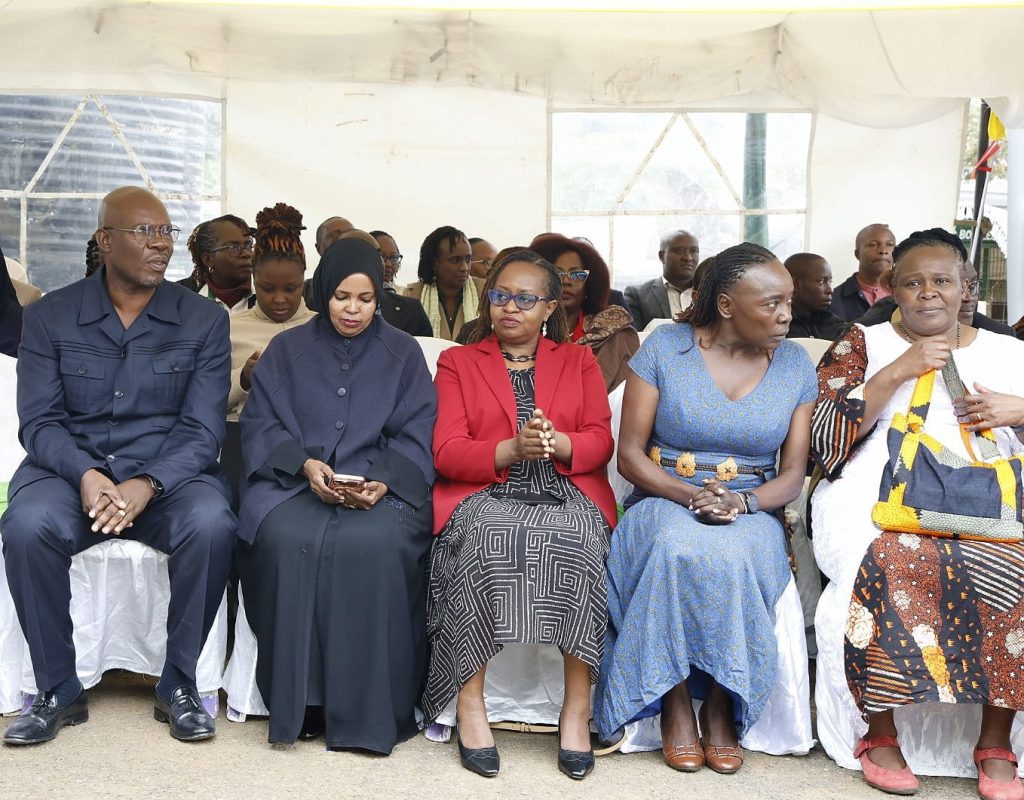
For years, people with sickle cell disease in Kenya have travelled long distances to access specialised care, often facing the added burden of transport costs and the challenges of managing a lifelong condition.
In Nairobi, some patients have had to travel to referral facilities such as Kenyatta National Hospital to access specialised sickle cell services, creating additional challenges for families already dealing with the demands of the disease.
The gap is now being addressed with the launch of Nairobi County’s first comprehensive sickle cell clinic at Kianda Level 4 Hospital in Kibra, bringing screening, diagnosis, treatment and long-term monitoring closer to patients.
The clinic, launched by the Children Sickle Cell Foundation in partnership with the Ministry of Health and the Nairobi City County Government, is expected to serve patients from Kibra, Lang’ata and surrounding areas.
A patient’s relief after years of travelling for care
For 37-year-old sickle cell warrior Jackline Oyamo, the new clinic means having specialised care closer to home after years of travelling to access treatment.
Oyamo was diagnosed with sickle cell disease when she was just two months old. She said growing up with the condition presented challenges for both her and her family, but the support she received helped her navigate life with the disease.
Sickle cell crises, she said, can be extremely painful and make timely access to medical care important.
“The pain we experience is often worse than what a woman goes through during labour,” she said.
Oyamo said travelling for treatment also came with additional costs, making the new clinic particularly important for patients in Kibra and surrounding areas.
“This clinic means so much to me. Before, I had to travel for my care, and every visit came at a cost,” she said.
She said patients who previously travelled to facilities such as Kenyatta National Hospital can now access care closer to where they live.
Oyamo also spoke about stigma and discrimination faced by people with sickle cell disease in schools, communities and relationships.
“I am 37 years old, and sickle cell does not mean your life ends early,” she said.
She urged the public to understand and support people living with the condition, saying sickle cell disease is not a curse.
“My message to society is that sickle cell is not a curse. It is a disease like any other, and people living with it deserve understanding, respect and support,” she said.
She also called on the government to ensure essential medicines and medical supplies remain consistently available.
Bringing specialised care closer
Nairobi County Director for Medical Services Dr Moses Owino said the county plans to establish sickle cell clinics across different parts of the city so patients can receive care closer to where they live.
“We intend to have sickle cell clinics serving all the children who need care across the four cardinal points of Nairobi. To the west, we will have Westlands. To the east, we will have Mukuru. To the north, we have Githurai 44 and Mathare North. To the south, we have Riruta together with this new clinic at Kianda 42. We will continue adding more clinics,” said Owino.
He said services are already available at Kenyatta National Hospital and Mathari, while Mama Lucy Kibaki Hospital will also be added to strengthen outpatient and inpatient services.
Owino said the initial clinic was established in the Kibra region in 2020 after a high number of children sought care at Kibera DO Health Centre, where the response was encouraging.
Kianda 42 is now part of the county’s hub-and-spoke model, where hub hospitals are supported by satellite clinics within surrounding communities.
He said the facility is the 10th hub out of 17 being established in Nairobi and is strategically positioned to serve Kibra, Lang’ata and surrounding areas.
The 24-hour facility has laboratory diagnostic services, essential medicines and medical supplies, alongside maternity services.
Strengthening early diagnosis and treatment
Dr Gladwell Gathecha, Head of the Division of Non-Communicable Diseases at the Ministry of Health, said the clinic will strengthen early identification and management of sickle cell disease.
“The goal is to bring essential services closer to where sickle cell warriors live, making quality care more accessible,” she said.
The facility will provide screening, diagnosis, treatment and long-term monitoring. Kenya is currently screening infants to identify those born with sickle cell disease or the sickle cell trait as early as possible. Those who test positive undergo confirmatory diagnosis before being enrolled into care.
Gathecha said healthcare workers have been trained to monitor and treat patients. The facility has also received an initial supply of 110,000 hydroxyurea capsules to support treatment.
Through the Children Sickle Cell Foundation, the hospital received a Gazelle machine for screening and diagnosis, together with the reagents required for testing. Its existing haemogram machine will support regular laboratory monitoring.
Gathecha said the initiative demonstrates the importance of collaboration between government and partners in improving access to specialised care.
The initiative is being implemented through the KETAN Project, which operates in Kenya and Tanzania, with the Children Sickle Cell Foundation serving as the implementing partner.
The foundation has supported equipment and medicine supplies, as well as training for healthcare workers and Community Health Promoters, while the county government provided the space and healthcare workers.
Kenya estimates that about 14,000 babies are born with sickle cell disease annually, while approximately 250,000 people are estimated to be living with the condition.
The highest burden is reported in 17 counties, mainly in western Kenya, the Coast region and Nairobi, although cases are increasingly being reported elsewhere.
Although Nairobi County does not yet have precise patient data, Gathecha said expanding screening and services would improve identification and access to care.
Community screening to expand access
Children Sickle Cell Foundation Chief Executive Officer Selina Olwande Ogweno said the clinic was established to address gaps in access to care, particularly for patients who travel long distances for treatment.
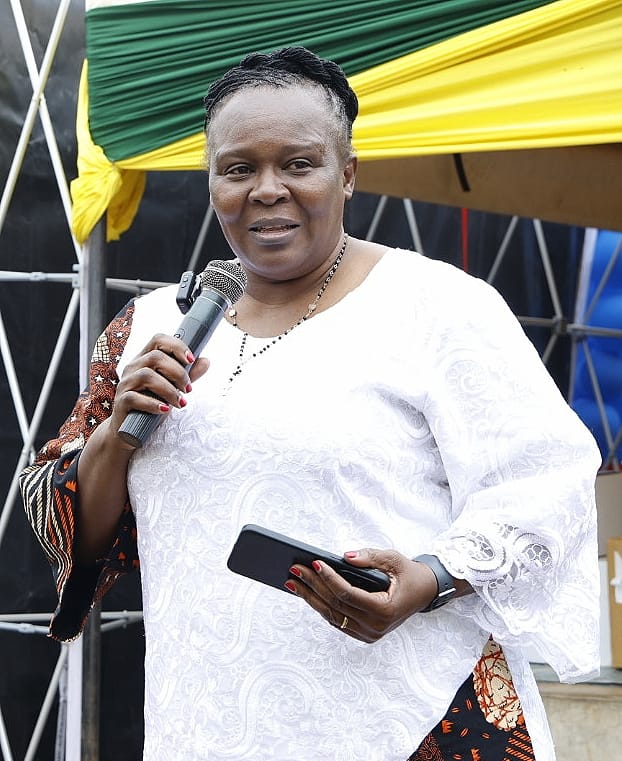
“Many people living with sickle cell disease do not have proper access to care. Some travel long distances to receive treatment, yet they often experience severe pain crises. We wanted to bring care closer to communities living around Kibra and the surrounding areas,” she said.
Ogweno welcomed the county government’s commitment to supporting treatment through the Social Health Authority (SHA), saying this would make care more affordable and accessible.
She emphasised that sickle cell disease requires lifelong care, noting that children born with the condition grow into adulthood and continue to need medical support and strong community networks.
To improve early diagnosis, Ogweno said the foundation is supporting Kenya’s infant screening policy while expanding community screening to identify people who carry the sickle cell gene.
“Children are born with sickle cell disease when both parents carry the gene, yet many couples do not know their carrier status. Community screening will help people understand their genetic status, make informed decisions and reduce stigma through awareness,” she said.
The foundation is working with Community Health Promoters and local leaders to encourage more people to undergo screening and seek care early.
As part of the initiative, the foundation donated three Gazelle diagnostic machines to clinics in Kianda, Riruta and Mathare, trained healthcare workers and supplied 10,000 capsules of medication to support patient care.
A biochemistry machine has also been installed to strengthen laboratory services.
Ogweno said the immediate priority should be strengthening primary healthcare for people living with sickle cell disease rather than focusing only on advanced interventions such as bone marrow transplantation.
“Bone marrow transplantation offers a cure for some patients, but not everyone qualifies. Our priority is to ensure patients are diagnosed early, managed well and receive quality care so they can live long and healthy lives,” she said.
The new clinic is expected to reduce the distance and cost barriers patients face while expanding screening and linking more people to lifelong care.
