
Kenya Urged to Strengthen Tobacco Control and Support Health Programs
By Victoria Musimbi
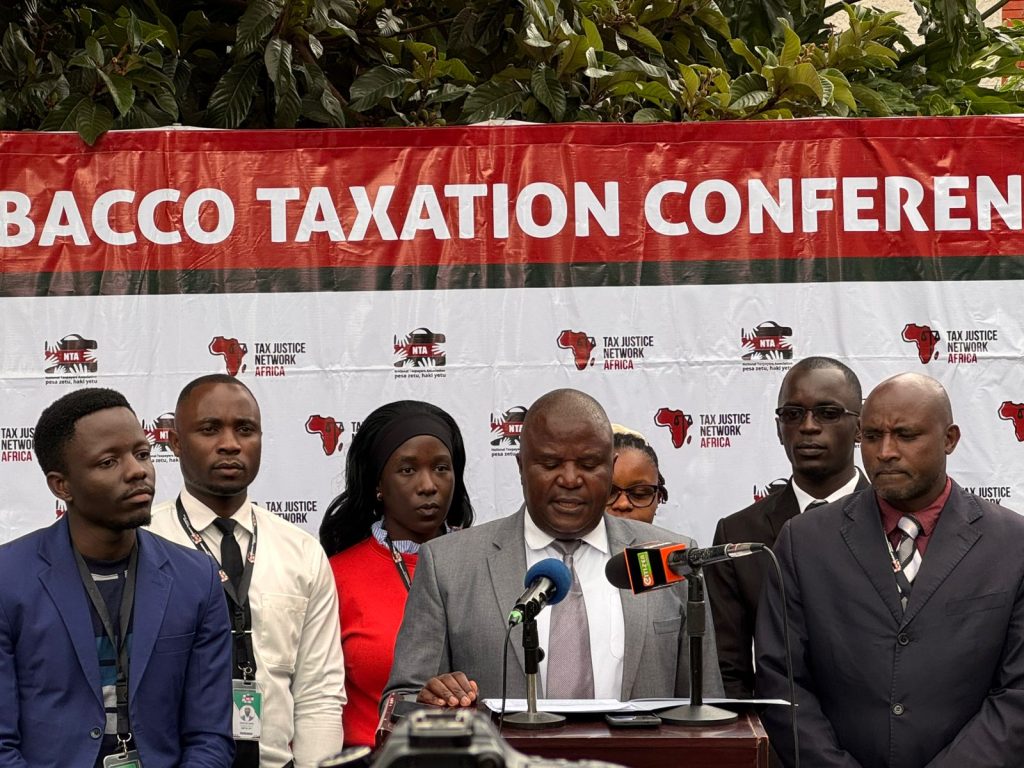
Every day, an estimated 26 Kenyans die from tobacco-related illnesses, according to data cited by the National Taxpayers Association and the World Health Organization.
From cancer and cardiovascular disease to chronic respiratory illnesses, tobacco use continues to burden Kenya’s healthcare system and increase treatment costs for many families.
Speaking ahead of World No Tobacco Day 2026 themed “Unmasking the Appeal: Counteracting Nicotine and Tobacco Addiction,” National Taxpayers Association Chief Executive Officer Patrick Nyangweso called for stronger tobacco control measures to protect lives, especially among young people.
According to the association, tobacco use costs Kenya between US$544 million and US$756 million annually through healthcare expenses, lost productivity, and premature deaths. More than 12,000 Kenyans die each year from tobacco-related illnesses, while over 2.3 million adults continue using tobacco products.
“Tobacco does not just kill smokers. It also harms the people around them through second-hand smoke exposure,” said Nyangweso.
He noted that many smokers begin using tobacco before the age of 18, making young people vulnerable to nicotine addiction through flavored products, social media marketing, and cheap cigarettes.
Growing Health and Economic Burden
Kenya’s rising cancer burden remains one of the clearest signs of the impact of tobacco use. Data from the Kenya Medical Research Institute and the National Cancer Registry shows that the country recorded about 42,000 new cancer cases and 27,000 cancer-related deaths in 2020.
Lung and oral cancers remain directly linked to tobacco use, while hospitals continue facing pressure from increasing non-communicable diseases.
The association also warned that illicit cigarette trade is draining billions of shillings from the economy. According to an NTA study on illicit financial flows, Kenya loses approximately KSh6 billion annually in excise revenue due to illegal cigarette trade.
Nyangweso said cheap cigarettes entering Kenya from neighboring countries are undermining public health efforts and reducing government revenue that could support healthcare and youth programs.
Proposed Solutions
As Parliament debates the Finance Bill 2026, the National Taxpayers Association and the Kenya Tobacco and Nicotine Tax Coalition are calling for higher tobacco taxes and stricter regulation of nicotine products.
Among the proposals is a 30 percent annual increase in cigarette excise taxes over the next five years to reduce tobacco consumption and align Kenya with global tobacco control standards.
The organization is also urging the government to enforce a ban on the sale of single-stick cigarettes, which it says make tobacco products more accessible to children and low-income youth.
Another proposal is the full implementation of the Solatium Fund established under Kenya’s Tobacco Control Act. The fund requires tobacco manufacturers and importers to contribute two percent of the value of tobacco products annually to support treatment, rehabilitation, and tobacco control programs.
The association says the fund should be managed transparently and used to strengthen cancer treatment services and support rehabilitation programs for people struggling with nicotine addiction.
Supporting Farmers and Protecting Youth
The NTA is also calling for support for tobacco farmers in counties such as Migori, Homa Bay, Kisumu, Bungoma, and parts of Meru to transition to alternative crops including sorghum, cassava, and sweet potatoes.
According to Nyangweso, tobacco control efforts should not only focus on reducing smoking but also on helping farming communities build sustainable livelihoods.
The organization further called for stronger enforcement against illicit cigarette trade and tighter controls on the marketing of nicotine products targeting young people.
As Kenya prepares to mark World No Tobacco Day, health advocates say stronger taxation, better enforcement, and investment in prevention programs could help reduce tobacco-related deaths and ease pressure on the country’s healthcare system.
