
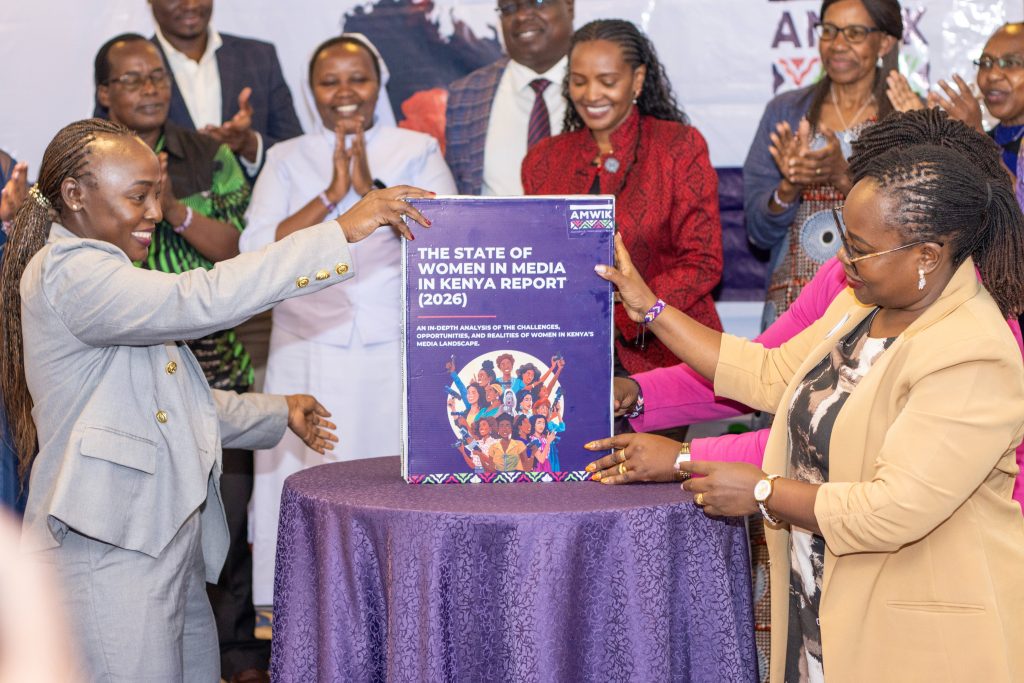
In a historic milestone for the Kenyan media landscape, the Association of Media Women in Kenya (AMWIK) officially unveiled its pioneering State of Women in Media in Kenya (2026) report during the AMWIK Women in Media Conference and Awards gala held on April 23, 2026.
The event, themed Resilient Professionals, Sustainable Futures, marked the first time in AMWIK’s 40-year history that a dedicated national conference of this scale was convened to address the unique challenges and triumphs of women in the industry. By bringing together media owners, policymakers, and international partners, the association aimed to create a new level of convergence to tackle systemic issues ranging from digital safety to economic precarity.
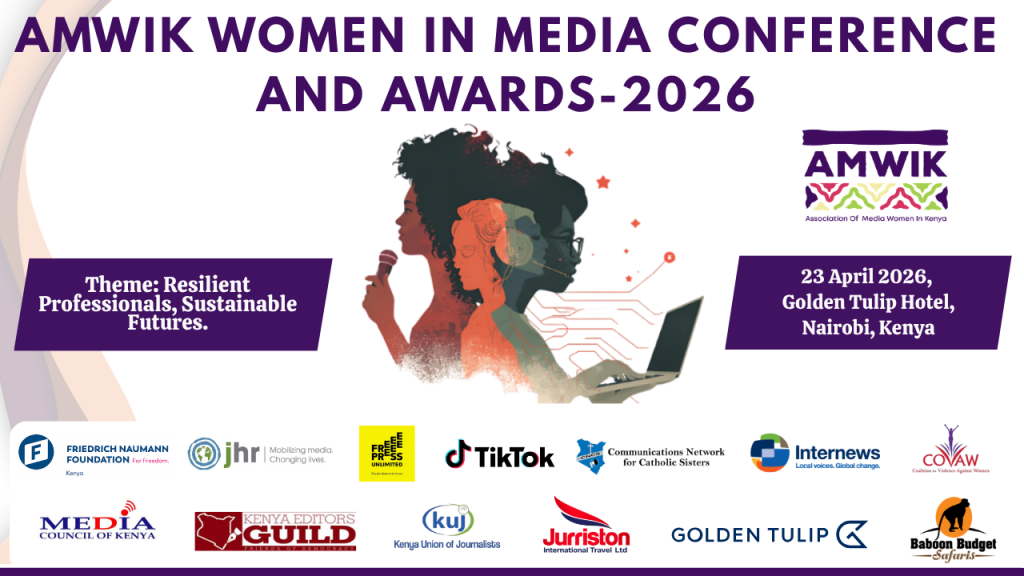
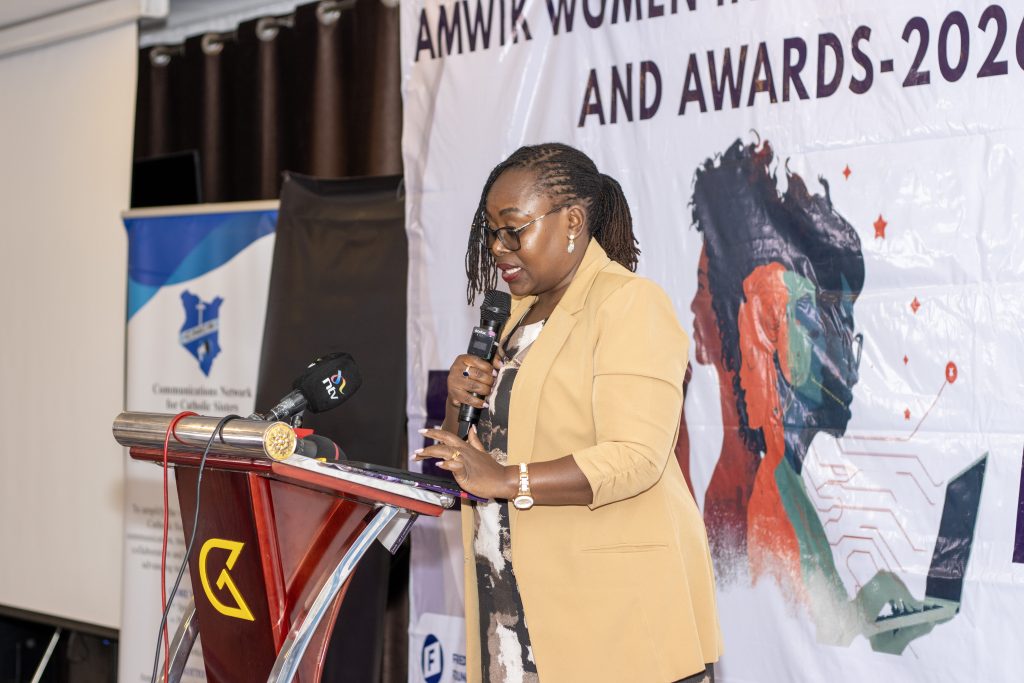
AMWIK Executive Director Queenter Mbori opened the conference by reflecting on the organization’s storied legacy, from pioneering radio listening groups to navigating today’s AI-driven newsrooms. She emphasized that Resilient Professionals refers to equipping women with the digital security and mental fortitude needed to survive modern newsrooms, while Sustainable Futures represents a commitment to ensuring the 70% of the media workforce currently under age 35 can access rewarding, safe, and viable career paths. Mbori described the new report as a “foundational intervention” that provides an evidence-based roadmap for policy changes long demanded by the sector, noting that for AMWIK, “life begins at 40” as they look toward becoming a continental hub for women’s media organizations.
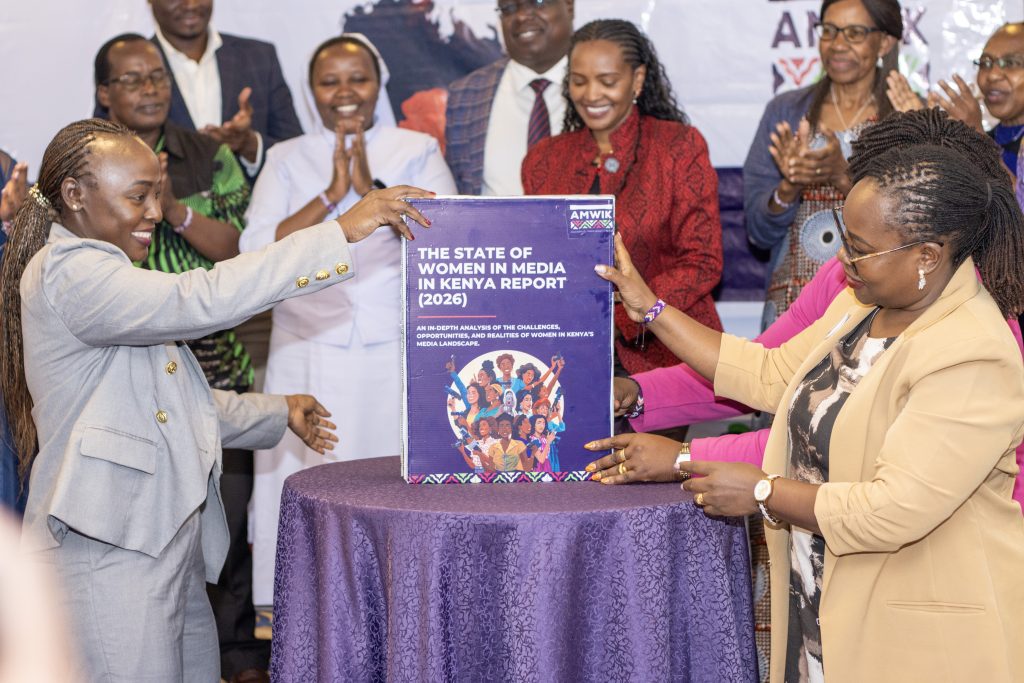
The report itself paints a sobering picture of the leaky pipeline affecting women in journalism. Despite a youth-dominated workforce, representation drops significantly with age, leaving only 7.4% of women in the profession after age 45. Leadership remains a significant hurdle, with women making up only 3.7% of managing editors and a mere 2.8% of media owners. Safety remains a paramount concern, as 64.8% of women journalists have experienced safety breaches, and 38.7% specifically identified sexual harassment as a major workplace challenge. These figures, combined with a 39.2% rate of reported stress and anxiety linked to pay gaps and inequality, highlight the urgent need for the institutional reforms Mbori called for during her address.
The government’s stance on these challenges was articulated by Patricia Ondeng, Secretary of Public Communication, on behalf of Hon. William Kabogo, Cabinet Secretary for Information, Communication, and the Digital Economy. In the speech, Kabogo warned that the digital economy Kenya is building through the Bottom-Up Economic Transformation Agenda and the National AI Strategy must not become a tool for exclusion.
He stated firmly that if half the population cannot post, broadcast, or report without organized abuse, the result is not a digital economy but “digital exclusion disguised as one,” which he labeled as unacceptable. This call for safety was echoed by Ms. Marie Ottosson of the Swedish Embassy, who noted that safeguarding independent media is impossible without ensuring women are safe both online and offline. She urged media houses to move beyond rhetoric and create truly enabling environments, affirming that Sweden deeply values the resilience of Kenyan women journalists.
To address these multifaceted issues, the conference featured three high-level panel discussions with key stakeholders. The first panel explored the Status of women in media, focusing on specific challenges and opportunities for growth. The second session, Sustainable Media Models, examined case studies and best practices for navigating the current economic climate. The final panel focused on the Safety of media practitioners, providing a holistic look at physical, psychosocial, and digital security measures essential for protecting women in the field.
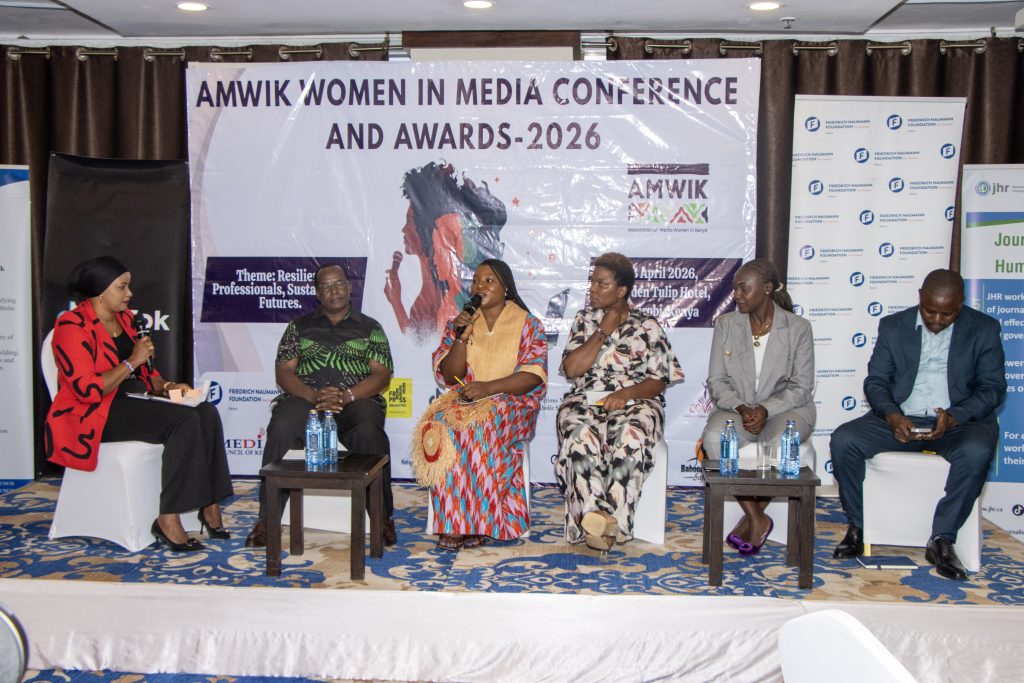
The event culminated in the inaugural AMWIK Women in Media Awards, where lead judge Rose Lukalo shared the rigorous criteria used to select the winners. She noted that the panel sought stories that asked difficult questions, avoided easy answers, and remained guided by ethics and clarity. Likalo reminded attendees that while technology makes stories louder, it can never replace professional integrity.
The evening’s top honors went to: Mercy Mwikali (Hall of Fame Award), Christine Mungai (Investigative Eye Award), Ann Njogu (Content Creator Award of the Year), Judie Kaberia (Most Outstanding Member of AMWIK), Zipporah Achieng (Young Woman in the Media Award), and Reyhab Watari (Gamechanger Owner’s Award).
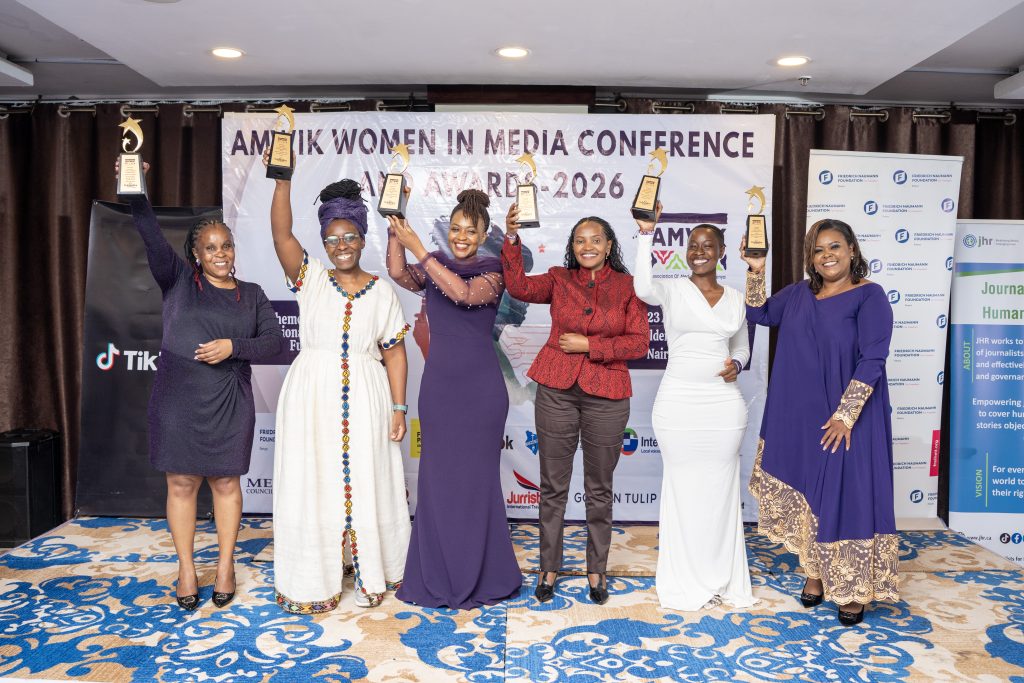
In her closing remarks, Mbori challenged the Media Council of Kenya and media owners to link gender policy compliance directly to licensing, ensuring that the future of media is truly inclusive. The conference served as a powerful declaration that for women in Kenyan media, their best days are not a relic of the past but are happening right now, fueled by a renewed commitment to safety, equity, and excellence.
