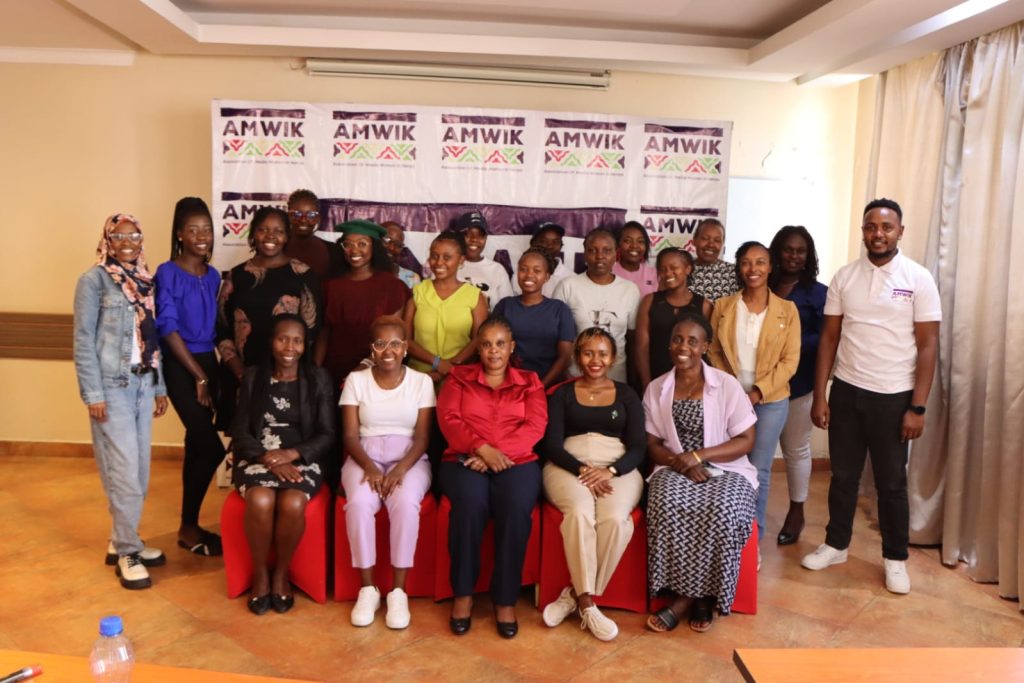
The Association of Media Women in Kenya (AMWIK) convened a regional membership forum in Nakuru, marking a decisive step in the implementation of its 2025–2029 Strategic Plan. This engagement underscores AMWIK’s commitment to decentralizing its operations and fostering a robust national network of women journalists and communicators beyond the capital city. By aligning with key institutional partners such as the Media Council of Kenya (MCK) and the Nakuru County Government, the forum established a professional framework for enhancing gender equality, safety, and excellence in journalism as the country begins its descent toward the 2027 General Elections.
The forum served as both a recruitment drive and a professional development seminar, led by Executive Director Queenter Mbori and the AMWIK Secretariat. Denis Mbau, the impact and communications Liasion, provided an exhaustive briefing on the tangible benefits of membership, emphasizing that the association offers more than just a title; it provides a lifeline through story grants, specialized training, and critical mental health support. Ms. Mbori challenged the participants to look “beyond the newsroom,” illustrating how AMWIK acts as a catalyst for women in media, politics, and the broader social sector. This vision ensures that women, youth, and children remain at the center of the media’s agenda, not just as subjects of news, but as stakeholders in the national discourse.
Mercy Kihugu, representing the Nakuru County Government’s Communications Department, highlighted the county’s recognition of women’s roles in key sectors like agriculture, health, and trade. She reaffirmed the county’s pledge to support gender-responsive journalism, a sentiment echoed by MCK’s Lucy Mwangi. Both representatives emphasized that the safety of journalists is a collaborative effort, particularly in addressing the unique challenges women face, from workplace harassment to the physical risks of field reporting.
The emotional heart of the event was found in the lived experiences of the participants. Catherine Wanjeri, a journalist from Kameme FM, who was shot during the Gen Z protests in Nakuru, shared a poignant account of her recovery journey, highlighting the indispensable role AMWIK plays in providing trauma assistance and health awareness. Her testimony, along with those of former interns and returning members, sparked a call to action for increased security measures and mental health resources ahead of the 2027 elections. The enthusiasm was palpable, resulting in the immediate registration of three new members, further solidifying AMWIK’s growing presence in the region.
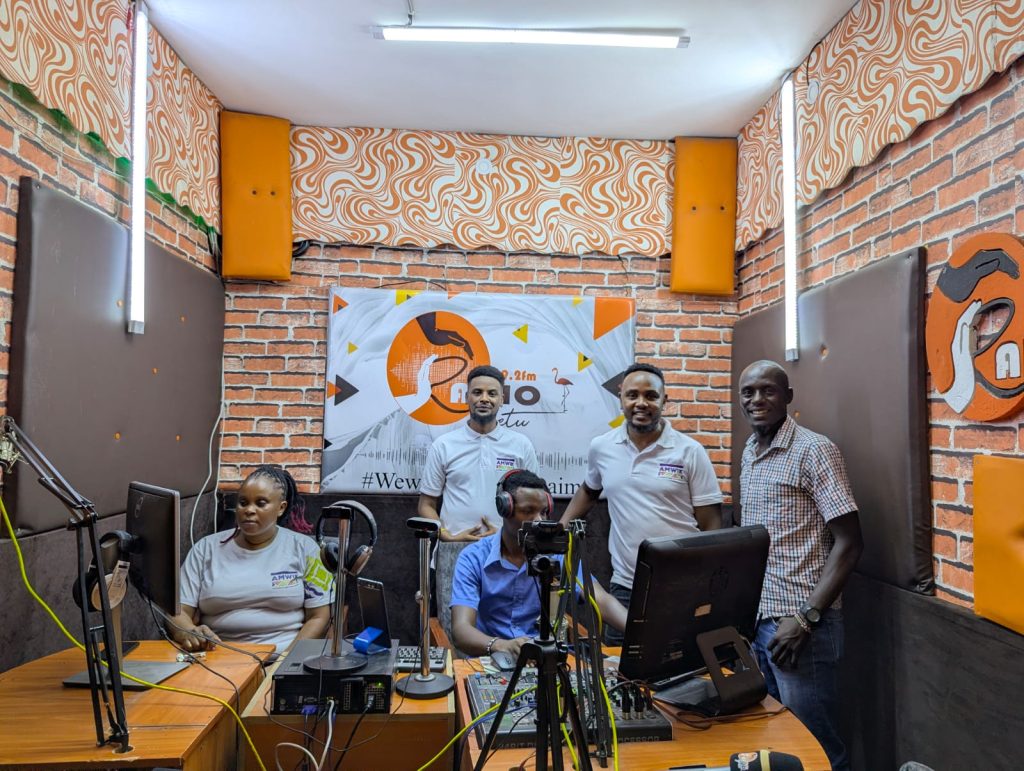
The mission extended beyond the forum with a visit to Radio Yetu in Nakuru town, where the AMWIK team met with Head of Programming James Mbulu. This courtesy call paved the way for a roadmap focused on the adoption of Sexual Harassment (SH) policies and capacity-building initiatives for community radio journalists. By the close of the visit, AMWIK had not only expanded its membership but also reinforced its dedication to creating a safer, more equitable media environment in Nakuru. This regional success serves as a blueprint for the association’s ongoing journey to empower every female voice across the Kenyan media landscape.