
What Interns and Young Journalists Need to Know About Workplace Harassment
When Mary joined a leading newsroom as an intern, she expected to learn the art of storytelling, not how to dodge inappropriate comments from her editor. Sadly, her experience mirrors what many young journalists face when entering the media industry with hope, only to encounter fear, intimidation, and unchecked harassment.
Sexual harassment remains widespread in Kenyan newsrooms, affecting women disproportionately, yet both men and women, especially those below 35 years, are at risk. They occupy the lowest positions in the hierarchy and often lack the confidence to speak up.
“Young journalists are eager to build their careers and fear losing opportunities if they report harassment,” said an AMWIK’s training facilitator, noting how power dynamics silence victims.
Harassment is not always loud or obvious. Sometimes it’s the lingering stare, the “joke” about your body, a late-night message from a senior colleague, or being mistreated for rejecting unwanted advances. Under Kenya’s Employment Act (2007), every organization with over 20 employees is required to have a written sexual harassment policy, yet many interns remain unaware of this.
A journalist trained by AMWIK shared, “I didn’t even know we had a reporting channel. We were just told to ‘be careful’ around certain editors.”
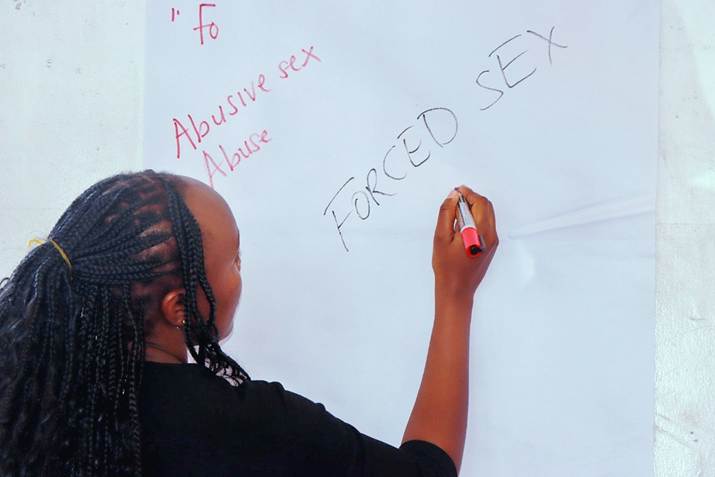
To challenge this culture, the Association of Media Women in Kenya (AMWIK) has been conducting training across media houses nationwide. These sessions help young media workers identify harassment, understand their rights, and access safe channels for reporting both internally and externally. AMWIK also advocates for strong enforcement of sexual harassment policies and protects whistleblowers from retaliation.
“We want every journalist to feel safe, respected, and professionally supported in their workplaces,” emphasizes an AMWIK trainer.
Change is slowly taking shape. Young journalists are speaking more openly about their experiences and seeking accountability. But progress depends on collective courage, from individuals refusing to stay silent and institutions refusing to ignore reports.
As one early-career reporter put it after the training: “AMWIK reminded us that our dignity is not negotiable.”
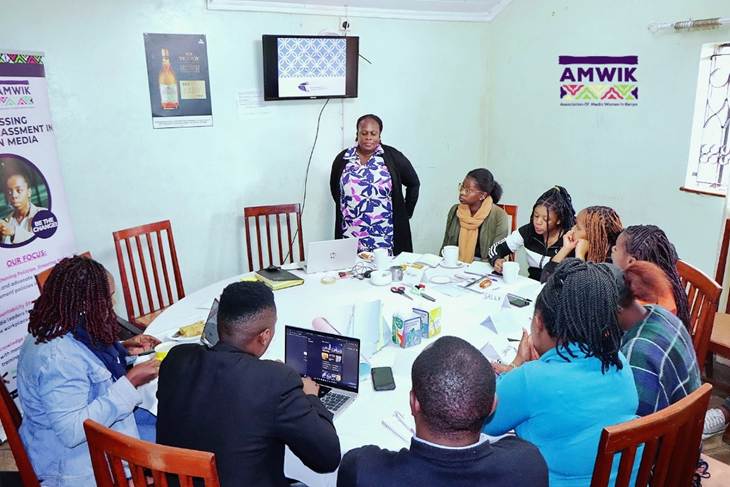
Interns and emerging journalists represent the future of Kenyan media. By staying informed, demanding accountability, and supporting one another, they can help build newsrooms where professionalism thrives and harassment has no place.
It’s time for every young journalist to demand safe workplaces and push media houses to be accountable. If you or someone you know is experiencing harassment, speak up, seek help, and report. Your voice matters. If you need support or want to join AMWIK’s newsroom safety training programs, contact us at amwik.org and be part of the movement toward harassment-free Kenyan media.
By Adelight Ngugi, Communications Intern
