
AMWIK ENGAGES COMMUNITY ENGAGEMENT ON NATURE CRIMES IN KAJIADO COUNTY
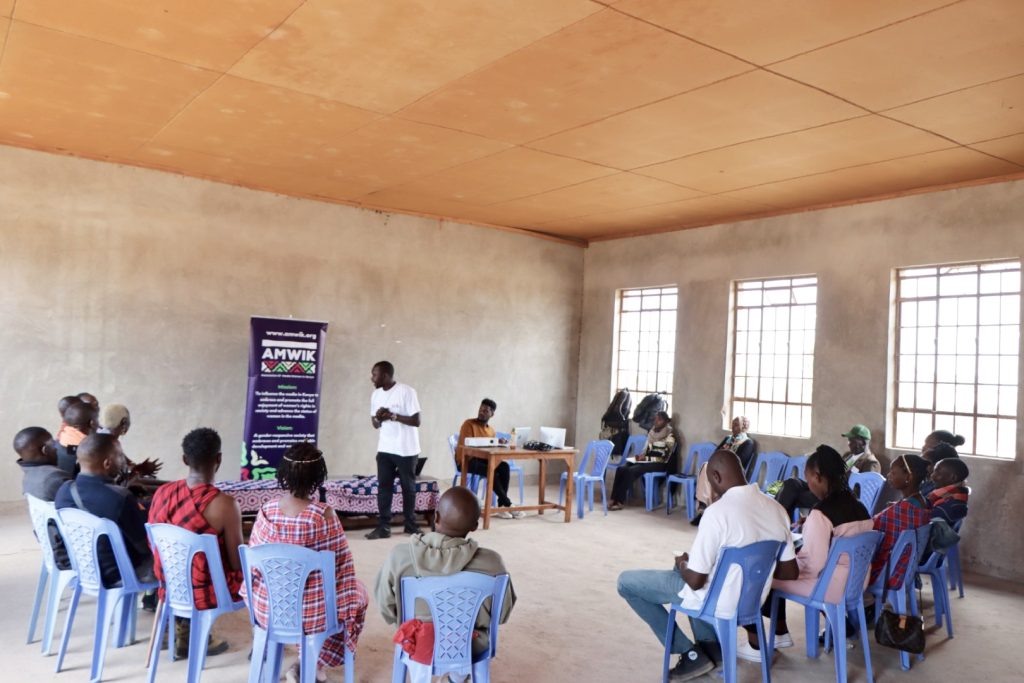
Across Africa, nature crimes are silently eroding communities’ futures. According to the United Nations Office on Drugs and Crime (UNODC), environmental crimes including illegal logging, poaching, fishing, and mining are valued at between USD 110–281 billion annually, making them the third-largest illicit activity globally after drugs and counterfeiting.
Kenya, like many African countries, bears the brunt of these crimes, losing both biodiversity and revenue that could uplift communities and rob future generations of their heritage.
It is against this backdrop that communities in Kajiado County, Kenya, are taking a stand. The Association of Media Women in Kenya (AMWIK) in partnership with the Global Initiative against Transactional Organized Crime brought together youth, elders, administrators, media practitioners and grassroots organizations to dialogue on local solutions to combat illegal activities such as poaching, sand harvesting, charcoal burning and land encroachment.
Through skits, storytelling and interactive sessions, the forum emphasized that communities are not just victims of environmental crimes but also powerful agents of change.
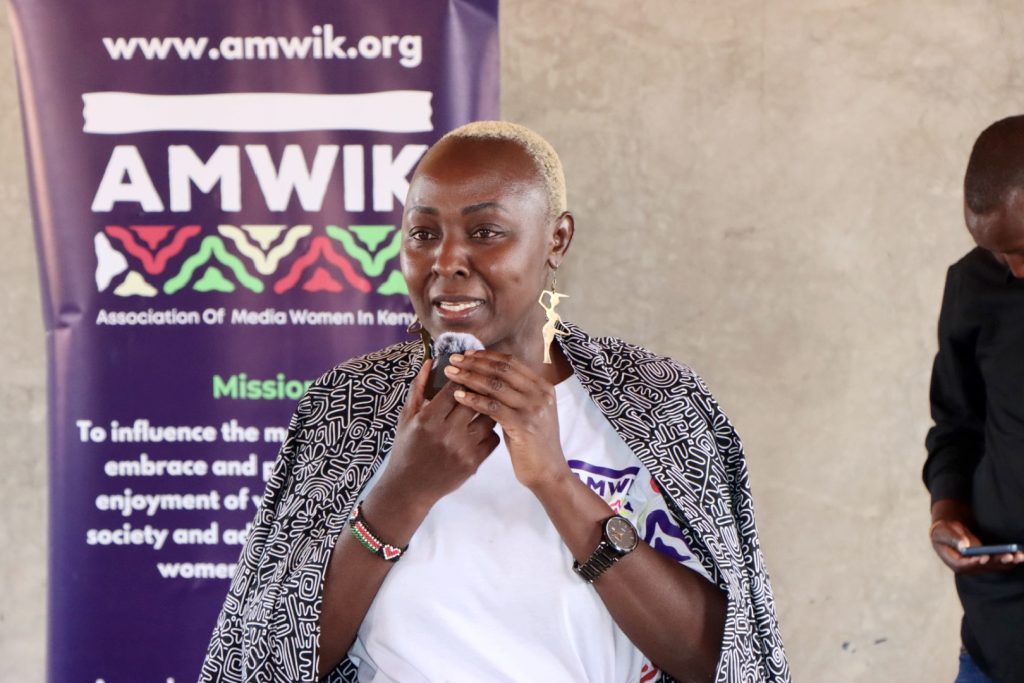
Speaking during the event, AMWIK Executive Director, Queenter Mbori reminded participants that media and citizen voices are vital in the fight.
“Illegal wildlife trade and poaching not only degrade our environment but strip communities of their livelihoods. The media must shed light on these crimes while empowering citizens to be storytellers and watchdogs.” She said.
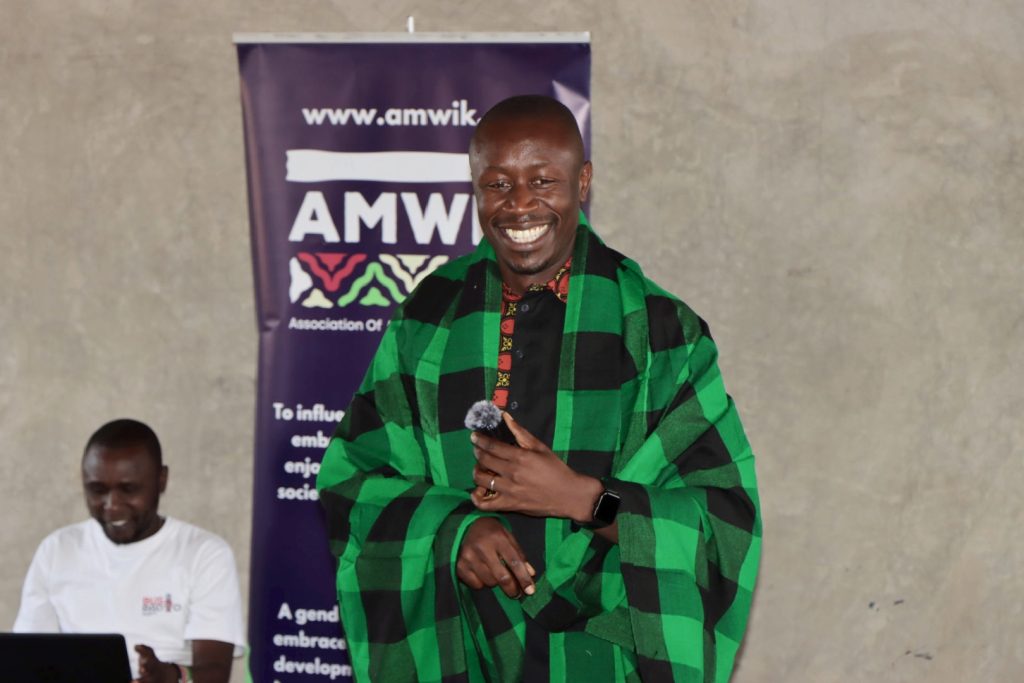
Resilient Fund Africa Liasion, Jacques Muhindo, welcomed in traditional Maasai fashion, highlighted that organized criminal networks exploit local knowledge to plunder natural resources;
“Nature sustains life. If one species is removed, the balance collapses. Organized crime in wildlife trade, mining, and land grabbing has many players, but dismantling these syndicates requires community vigilance and strong media voices. Local knowledge must be documented and used for conservation, not exploitation.” He said.
Lenny Len’gete, founder of Pastoral Climate Action, shared how charcoal burning and sand harvesting have devastated water catchment areas in Kajiado. He emphasized a community-centered advocacy model, guided by four pillars:
1. Empowering local communities – recognizing them as custodians of natural resources.
2. Evidence-based advocacy – using tools like mapping and drone surveillance.
3. Building alliances – linking communities with NGOs, government, and regional networks.
4. Strategic communication – storytelling and targeted campaigns that humanize the impact of environmental crimes.
Lenny also highlighted the need to respect indigenous ecological knowledge, which has long helped communities conserve wildlife and manage ecosystems.
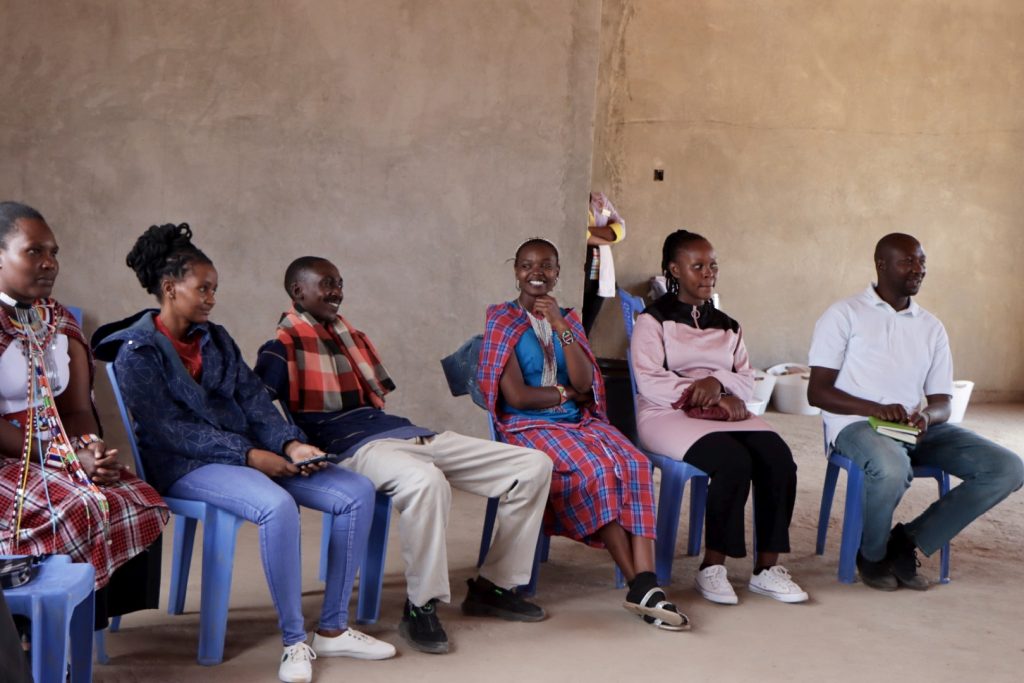
Walter Muiruri, while training on media engagement, emphasized the power of communication in driving change. His presentation showed how local radio, community journalists, and digital platforms can amplify the fight against nature crimes.
He challenged participants to see themselves as “frontline reporters of the environment” and shared practical skills on storytelling, framing and ethical reporting. Walter also guided community members on how to use a reporting template to capture incidents of poaching, illegal logging or human-wildlife conflict accurately, ensuring that such cases reach the right authorities and media platforms.
“Media is not just about telling stories; it is about shaping solutions. If communities tell their stories effectively, policy makers and law enforcers will be compelled to act,” Walter explained.
The community forum ended with a strong call to action for communities to remain vigilant and report cases of environmental crime, the media to amplify local stories of both challenges and solutions and for stakeholders to support grassroots watchdog networks and integrate indigenous knowledge into environmental governance.
By Faith Ng’ang’a, AMWIK Project Assistant
