Beyond the Newsroom: Media’s Role in Women’s Empowerment in Homa Bay
By Tracy Anyango
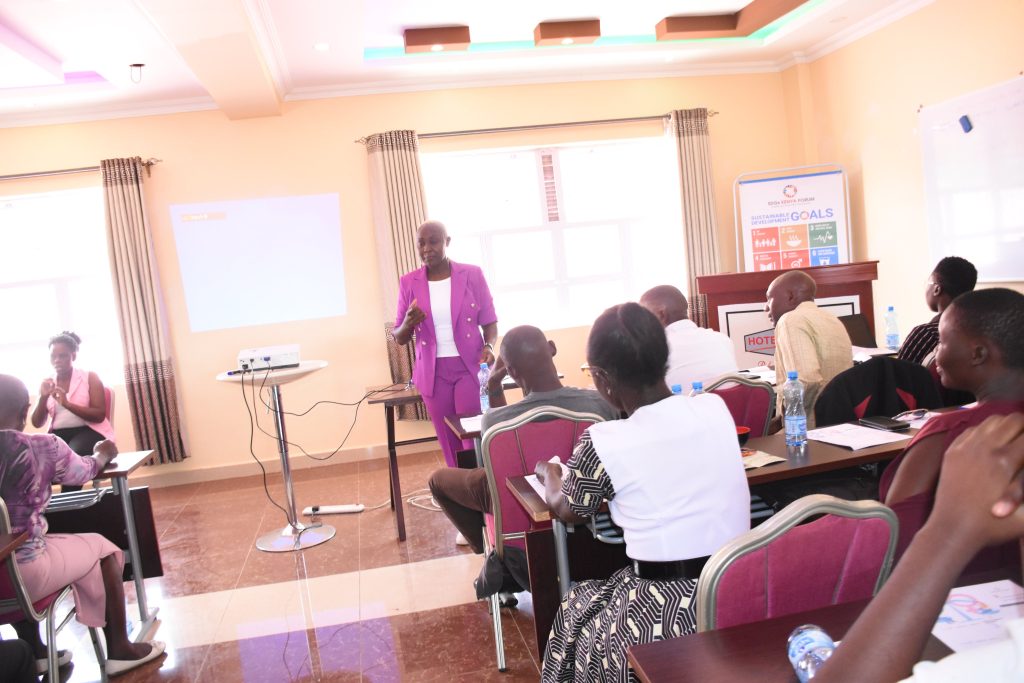
The quiet hum of conversation filled the training room, broken only by the rustle of notebooks and the soft clicks of cameras. In one corner, a group of young journalists leaned forward, pens poised, as speakers shared stories and ideas that could shift the way women’s issues are reported in Homa Bay County.
Over two days, the participants took part in an intensive workshop dedicated to advancing Care Policy, Women’s Economic Empowerment (WEE), and Women in Leadership (WIL). It was a collaborative effort, made possible through the partnership of SDGs Kenya Forum, the Association of Media Women in Kenya (AMWIK), and the Integrated Development Facility (IDF). This was not just another training ,it was a space to rethink the role of media in shaping conversations that matter.
The first day had laid the groundwork. Gender consultant John Otieno guided participants through the realities of unpaid care and domestic work ,the invisible labor that fuels households but is rarely acknowledged in economic data. He introduced the “3R” approach: recognise unpaid care through proper measurement, reduce the burden on women and girls, and redistribute it fairly between men and women.
On the second day, the discussion turned to the influence journalists have in shaping public opinion and holding leaders to account. With county governments now shouldering more responsibilities through devolution, the media’s role as both a watchdog and a bridge between communities and decision-makers has never been more important.
“The absence of gender-responsive narratives in mainstream media has kept care issues and women’s economic realities at the margins,” noted AMWIK Executive Director, Queenter Mbori. “We need stories that bring these realities to the center.”
Mbori also led a session on storytelling, urging journalists and citizens to think beyond headlines. She encouraged them to package stories in ways that resonate locally, and to use social media not just for sharing news, but for sparking meaningful conversations.
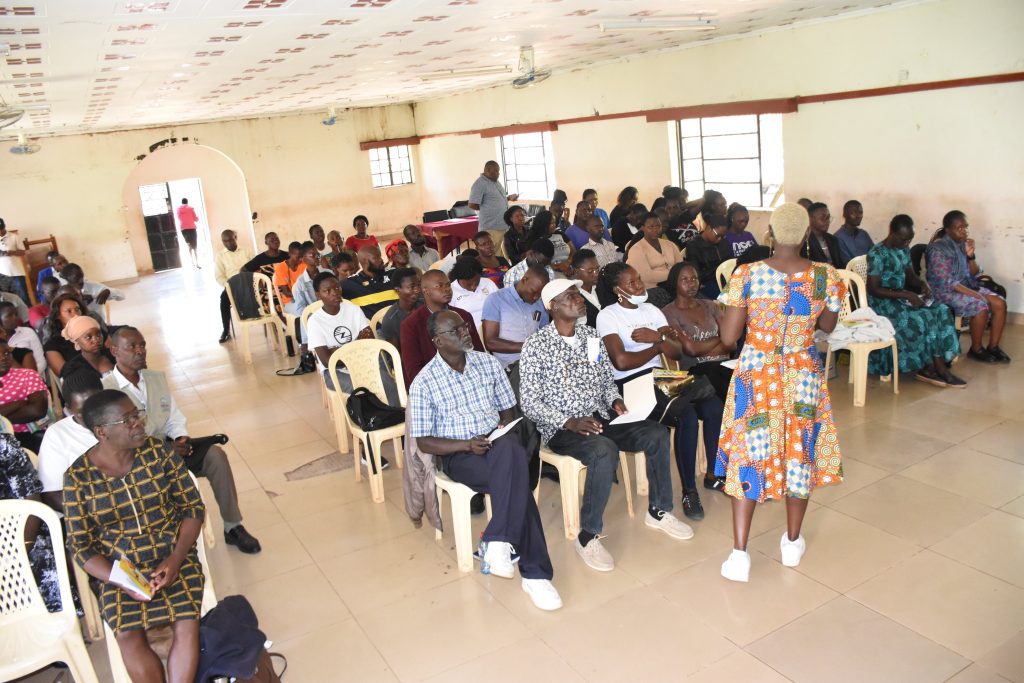
The workshop was never meant to end in the training room. Lessons from both days flowed into a community dialogue held today at Alaw Rachuonyo Social Hall. County officials, grassroots groups, and residents came together to present advocacy plans, listen to lived experiences, and explore ways to work together.
By the time the last session ended, the energy in the room had shifted. The conversations were no longer just about reporting events but about influencing them. As participant Joseph Christian put it, “We are not just telling stories anymore. We are changing them.”