
MEDIA LEADERS IN EAST AND SOUTHERN AFRICA PLEDGE UNIFIED ACTION FOR GENDER EQUALITY
Nairobi, Kenya – May 29, 2025: In a powerful demonstration of commitment, media professionals from East and Southern Africa, gathered at the Generation Equality Media and Commitment Makers Forum in Nairobi, have pledged their intensified support for advancing gender equality across the region.
The forum, a collaborative effort between UN Women Africa, the Association of Media Women in Kenya (AMWIK), the Kenya Editors Guild (KEG), and Nalafem, brought together a diverse group of media delegates and Generation Equality commitment makers. Participants, including governments, civil society organizations, youth activists, and private sector representatives from over 14 East and Southern African countries, converged to strategize impactful ways for the media to foster positive social norms, dismantle harmful stereotypes, and champion gender equality.
Representatives from different media organizations committed to a series of concrete actions: advancing gender-sensitive reporting, developing dedicated gender equality editorial policies, amplifying the crucial work and voices of Generation Equality Commitment Makers, and diligently monitoring and evaluating progress made in advancing gender equality through the media.
“We, the delegates gathered at the Generation Equality Media and Commitment Makers Forum, recognize the critical role of media in shaping narratives and holding institutions accountable for gender equality and women’s empowerment across East and Southern Africa and beyond. We pledge to ensure the efforts of gender equality players are visible, impactful, and sustained, to promote positive social norms, challenge harmful perceptions and break stereotypes.” The declaration stated.
Victor Bwire, Director of Media Training and Development at the Media Council of Kenya (MCK), urged stakeholders to consistently produce quality, timely content that naturally showcases women’s significant contributions across various sectors. He explained that focusing on impactful stories, regardless of the initial entry point, inherently highlights gender perspectives. “For instance, when reporting on climate change, the story’s entry point is the environmental impact, but it naturally reveals the gendered dimensions.” Bwire said.
Anna Mutavati, Regional Director, UN Women East and Southern Africa, underscored the indispensable role of media. She noted, “Across Africa, we are facing growing challenges, from the climate emergency and conflict, to shrinking civic space, that continue to disproportionately affect women and girls. Additionally, unprecedented funding shrinkage, where many women’s organizations are stretched yet still expected to deliver life-saving services, defend rights and support communities. In times like these, we must stand together. We must unite our hands, our resources and our expertise, and we count on media partners.” She urged a shift from “one-off events to sustained partnerships, from isolated stories to systemic narrative change and from reporting on women to reporting with women.”
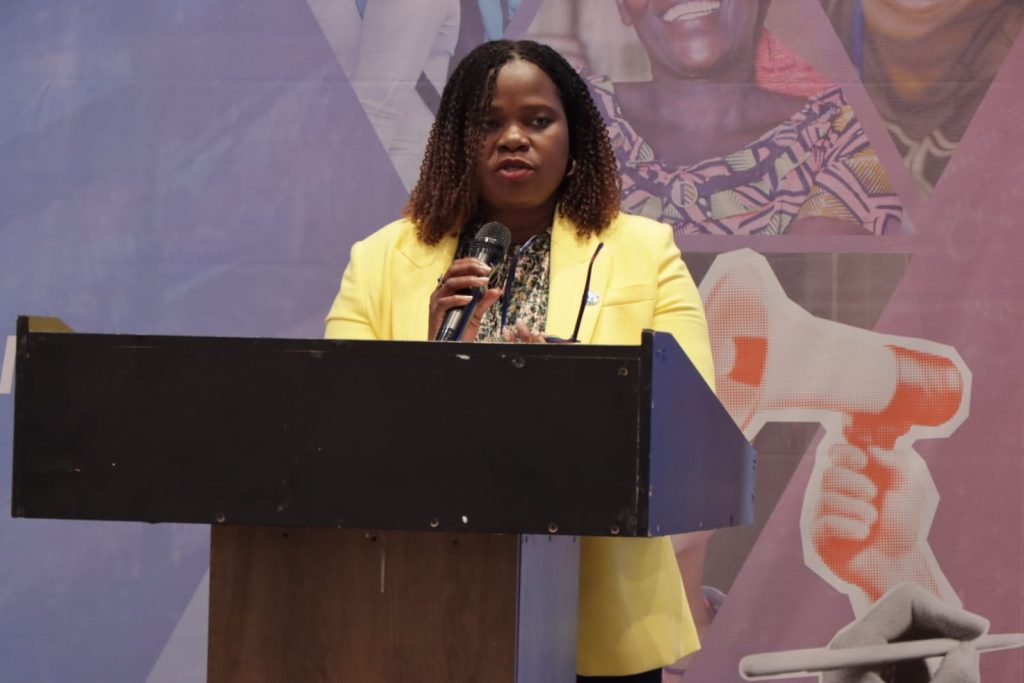
Queenter Mbori, Executive Director of AMWIK, echoed this sentiment, stating, “Our aim is to move beyond intermittent coverage to sustained, impactful storytelling. We laud all media representatives who have signed the declaration to ensure gender-sensitive reporting, because with every story of progress told, we move one step closer to achieving equality.”
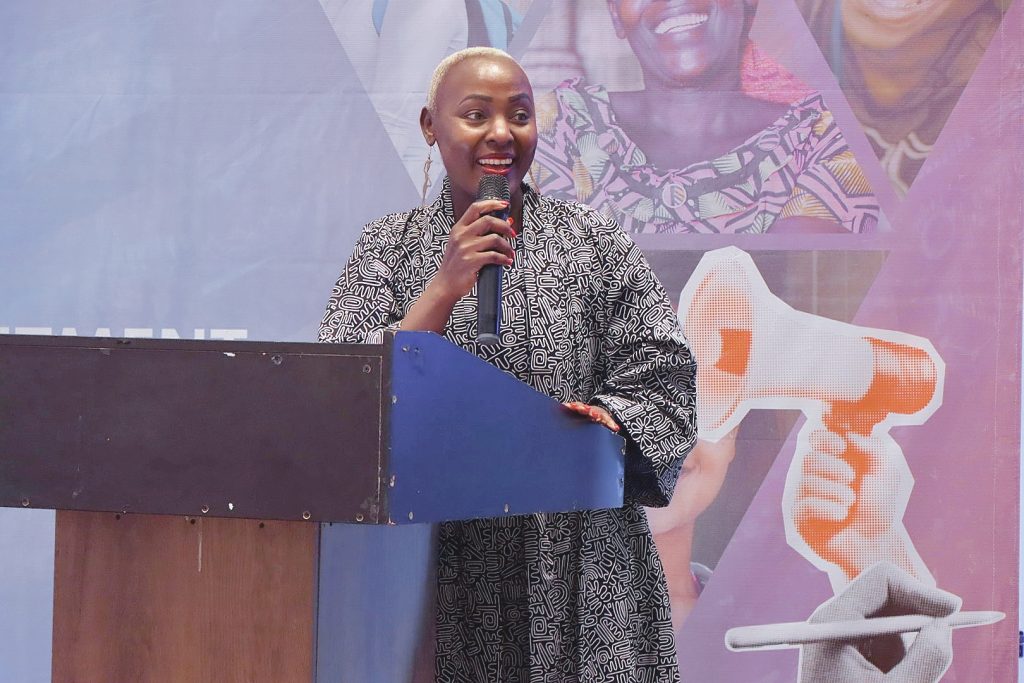
In the written declaration, media representatives affirmed their understanding that media shapes public discourse, influences policy agendas, and holds power to account. They also acknowledged their profound responsibility to challenge harmful stereotypes, amplify marginalized voices, and report on gender issues with accuracy, sensitivity, and depth.
This forum and the declaration arrive at a pivotal moment. 2025 marks a landmark year for gender equality, commemorating significant milestones: the 30th anniversary of the Beijing Declaration and Platform for Action—the most comprehensive and visionary agenda for advancing gender equality and the rights of all women and girls; 25 years since the establishment of UN Security Council Resolution 1325 on Women, Peace and Security, recognizing the critical role of women in peacebuilding and conflict resolution; and 15 years since the establishment of UN Women, created to accelerate progress on gender equality and women’s empowerment globally.
2025 offers a critical opportunity to evaluate progress, address ongoing challenges, and renew actionable commitments. A critical accelerator to all these efforts are multi-stakeholder, multi-level, and intergenerational partnerships, as recently highlighted in the Pact for the Future and in the regional reviews of progress against the Beijing Declaration and Platform for Action (BDPfA).
The unified commitment demonstrated by media leaders in East and Southern Africa is a powerful declaration of intent to forge a future where gender equality is not just an aspiration but a lived reality. By embracing the media’s role in shaping narratives, challenging biases, and amplifying the voices of change-makers, these media organizations are laying the groundwork for sustained transformation across the region.
END
About UN Women
UN Women is the United Nations entity dedicated to gender equality and the empowerment of women. A global champion for women and girls, UN Women was established to accelerate progress on meeting their needs worldwide.
UN Women supports UN Member States as they set global standards for achieving gender equality, and works with governments and civil society to design laws, policies, programmes and services needed to ensure that the standards are effectively implemented and truly benefit women and girls worldwide. It works globally to make the vision of the Sustainable Development Goals a reality for women and girls and stands behind women’s equal participation in all aspects of life.
About AMWIK
The Association of Media Women in Kenya (AMWIK) is a National Media Association established in 1982 and registered under the Societies Act as a non-profit membership organization for women journalists from the print, electronic media, and other areas of communication. AMWIK’s vision is a just society in which the media embraces and promotes equitable development and human rights. AMWIK’s mission is to use the media to promote an informed and gender-responsive society through professional and transformative media.
About Nalafem
Nalafem is a multigenerational Pan-African collective of women political leaders driving transformative feminist leadership towards the liberation of African women and girls. This platform was launched in July 2021 but emerged in 2020 from Africa Young Women Beijing+25 Manifesto (B+25 Manifesto) developed in consultation with 1,500 young people from across 44 African countries and over 30 partners. The B+25 Manifesto is a groundbreaking feminist political document that sets out 10 bold demands. Nalafem efforts in collaboration with youth activists succeeded to collect over 10,000 signatures and 8 out of the 10 demands were included into UN Action coalitions and Women, Peace and Security and Humanitarian Action Compact.
