
AMWIK Calls for Ethical Innovation and Inclusive Journalism
Kenya joined the rest of the world in commemorating World Press Freedom Day 2025, under the theme “The Impact of Artificial Intelligence on Press Freedom and the Media.” The event, held in Nairobi, brought together key stakeholders from the media, legal sector, law enforcement, and civil society to examine the evolving relationship between technology and journalism. The Association of Media Women in Kenya (AMWIK) participated in the discussions, reaffirming its commitment to gender equality, ethical journalism, and digital inclusion.
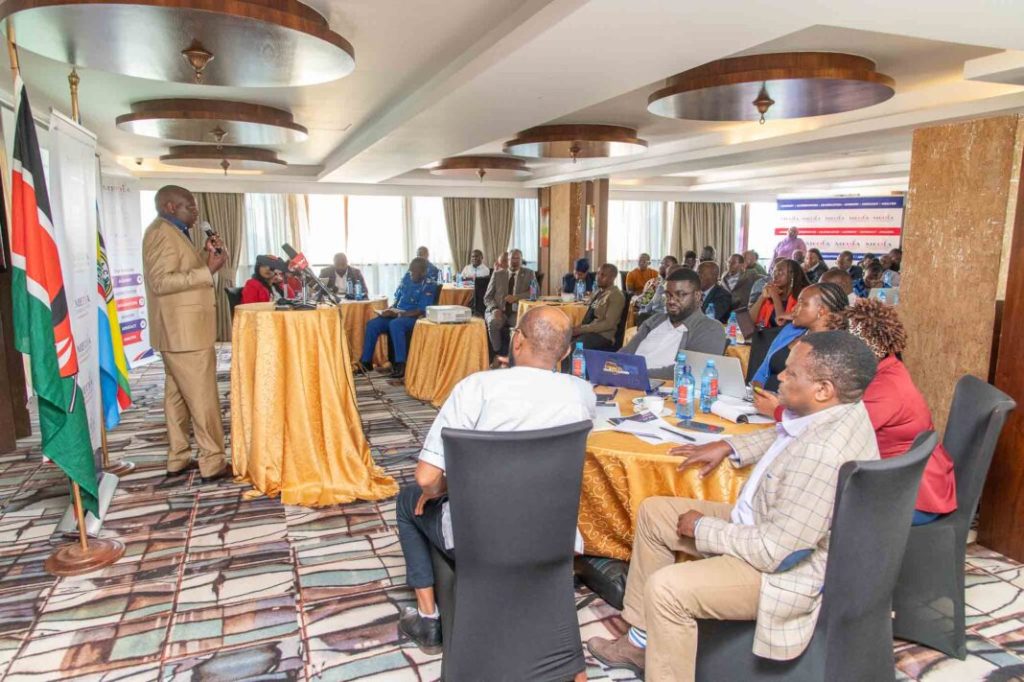
Opening the session, Media Council of Kenya (MCK) CEO David Omwoyo highlighted both the opportunities and ethical dilemmas posed by artificial intelligence in the newsroom. “Artificial intelligence is not just a tool, it’s a test of our ethics,” he stated. He urged media practitioners to prioritize accountability, truth, and the human element, even as AI tools like automated content generation and data analysis become more prevalent in journalism.
The discussion then shifted to the legal and policy dimensions of press freedom. National Police Service spokesperson Michael Nyaga affirmed the police’s duty to uphold Article 34 of the Constitution, which guarantees freedom of expression. He called for more engagement between journalists and the security sector, especially as new threats emerge in the digital space.
Acting Deputy Director of Public Prosecutions Hassan Abdi emphasized the growing complexity of AI-driven violations and reiterated ODPP’s commitment to protecting journalists from unlawful threats. Meanwhile, Kenya Editors’ Guild President Zubeida Kananu pointed out that AI systems often reflect the biases of their developers. “AI is not neutral. It reflects the biases and intentions of those who deploy it. Press freedom must evolve with technology, not be compromised by it,” she warned.
AMWIK’s Executive Director, Queenter Mbori, spotlighted a pressing concern: the persistence of sexual harassment and gender-based violence in newsrooms. “As we embrace AI, we must also confront the entrenched inequalities that silence too many voices. A free press must also be a safe press,” she emphasized. She urged media institutions to adopt stronger safety protocols and promote inclusive innovation that prioritizes marginalized voices.

Additionally, she noted that across Africa, journalists are facing significant struggles, which calls for the need to continue advocating for clear emergency protocols to ensure their safety. Research shows that over 60% of journalists have experienced sexual harassment, most of them aged between 20 to 25 years.
Other speakers, including representatives from the Kenya Union of Journalists and the Kenya Correspondents Association, echoed the need for internal reforms. They pointed to issues such as low pay, job insecurity, and the exclusion of rural journalists from digital training opportunities. These concerns were also captured in the newly launched 2024 Media Environment Report by MCK, which documents a rise in digital harassment, declining public trust, and precarious employment within the media sector.
Throughout the event, a recurring message emerged: press freedom must adapt to the realities of a digital world. Samuel Maina, Editor-in-Chief of KBC, reminded participants that while AI may transform how stories are told, “it must not replace the soul of journalism—integrity, context, and public accountability.”
Winnie Kamau, the President of Association of Freelance Journalists underscored the need for Journalists in the current AI technology to retool themselves “There’s an urgent need for Journalists to retool themselves and learn these AI tools and go above the normal journalistic work” she said.
AMWIK calls on all stakeholders, regulators, media houses, policymakers, and civil society—to invest in ethical innovation, safeguard journalists’ rights, and build an inclusive, resilient media ecosystem. The future of journalism depends not just on technological advancement, but on our shared commitment to integrity, justice, and equal representation.
By Walter Muiruri, Programs Assistant, AMWIK
